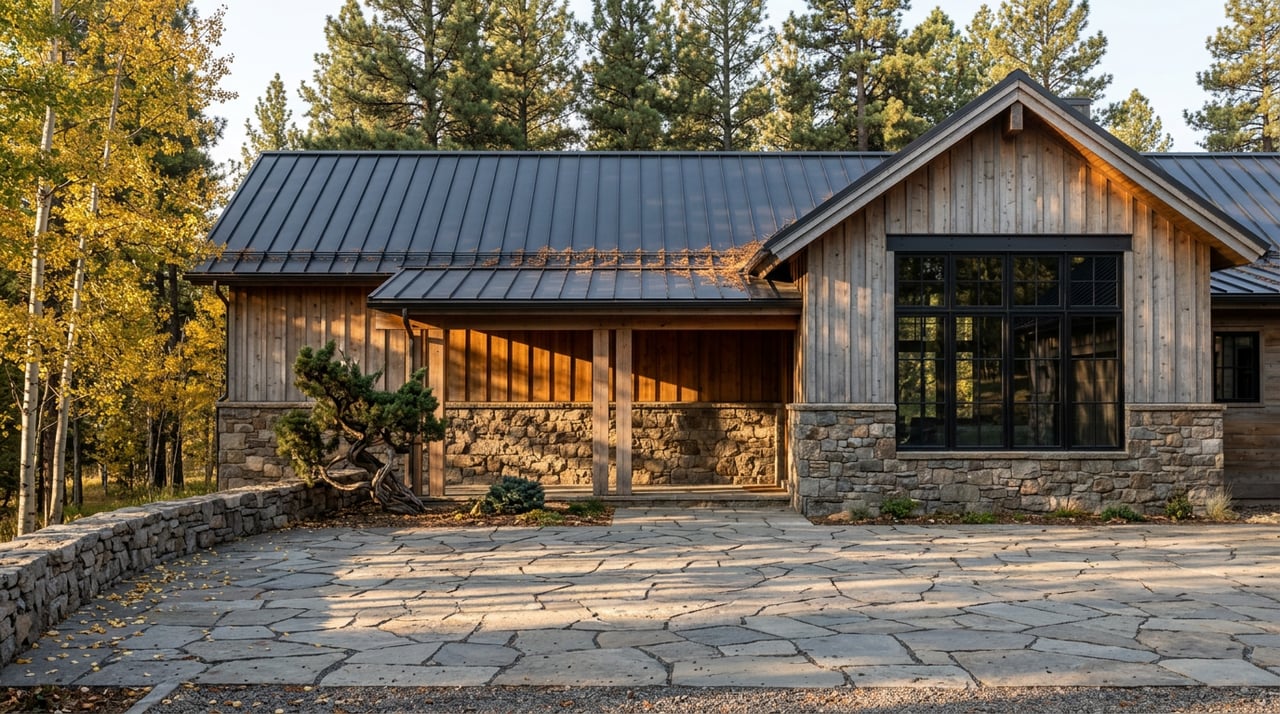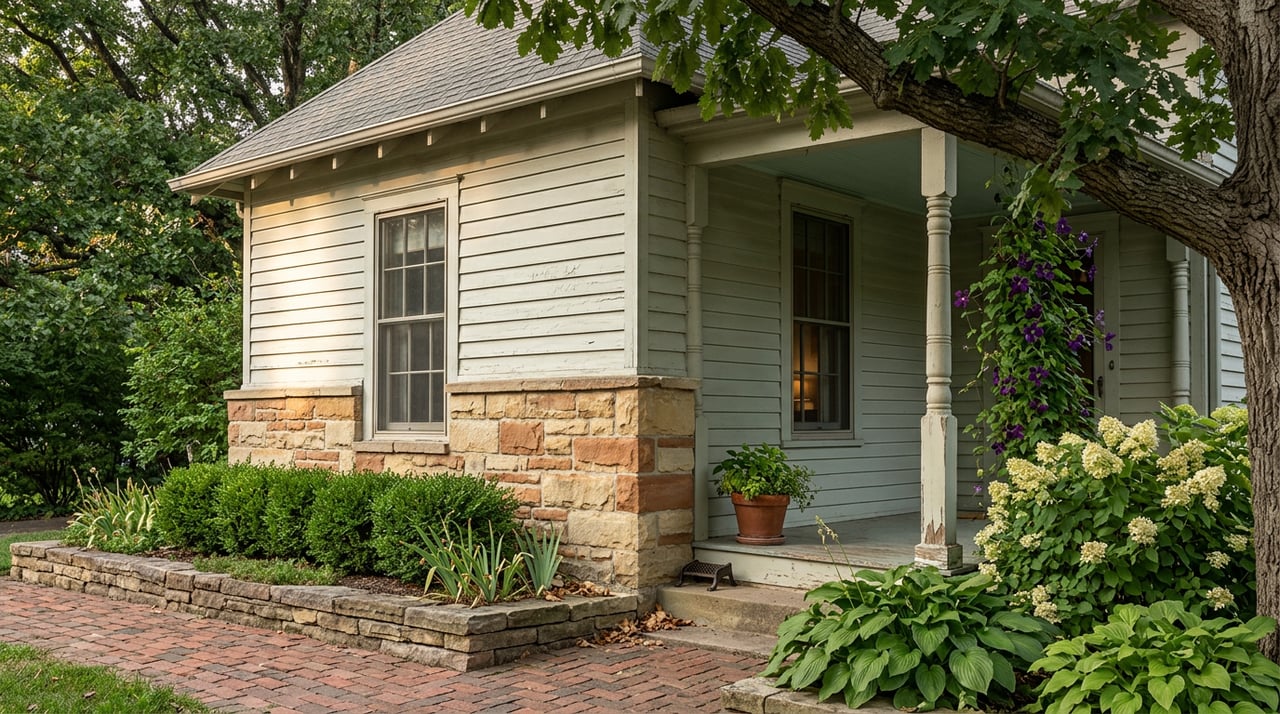
A buyer touring a contributing home in the Twelfth Street Historic District this month will ask the obvious question: can I replace the windows, add a dormer, or extend the back of the house? The honest answer from anyone who has actually read Golden's preservation files is that the city just replaced the rulebook that governs that question, and the chapter that spells out what specific alterations pass review is still being drafted in public meetings.
That is not a small footnote. It is the single fact that changes how a purchase or a listing inside one of Golden's three historic districts should be timed right now.
The Code Landed Before the Instructions Did
Golden's historic preservation program traces back to 1983, when the Twelfth Street Historic District earned its National Register listing. The procedures governing how the city reviews changes to district properties, Chapter 18.58 of the Municipal Code, had not seen a significant rewrite since 2008. That eighteen-year run ended on March 10, 2026, when City Council adopted a complete rewrite of the chapter as part of a city initiative called Past Forward.
That gives Golden a new procedural foundation for how its Historic Preservation Board reviews Certificate of Appropriateness applications. What it does not yet give property owners is the specific design guidance that board will use to judge those applications. Past Forward's second phase, new Architectural Guidelines and neighborhood Context Statements documenting the defining features of each district, was still moving through public review as of a July 19, 2026 community news roundup, which reported the city recruiting an eight to ten person Historic Preservation Focus Group to weigh in on draft guidelines and possible changes to the board's own authority.
The city had already run a public Design Guidelines Workshop at the Golden Community Center on April 21, 2026, and hosted a community gathering called Cookies with Council at the Astor House on April 6, two weeks earlier, to introduce residents to the rewritten program. Both events point the same direction: the substantive rules that will decide whether a proposed addition, a window swap, or a siding material passes muster are not finalized. Anyone budgeting a renovation timeline around today's guidelines should treat them as a draft, not a settled answer.
Three Districts, Not One
Golden's historic protections aren't a single overlay. They cover three separate districts, each with its own boundary and its own designation status, and that status matters more than most buyers assume when it comes to financing a renovation.
| District | Rough boundary | Character | National Register status |
|---|---|---|---|
| Twelfth Street Historic District | 11th to 13th Streets, between Arapahoe and Elm | Golden's oldest and best-preserved residential blocks, with masonry homes dating to the 1860s | Listed since 1983 |
| 9th Street Historic District | Cheyenne Street to Washington Street | Former middle-class, blue-collar neighborhood tied to the Golden Pressed & Fire Brick Works, Rock Flour Mills, and the Golden Paper Mills | Locally designated |
| East Street Historic District | 14th to 19th Streets | A mix of merchant homes on the north side and historic farmhouses and early postwar subdivision homes further south | Locally designated |
Only Twelfth Street carries a National Register listing. That distinction is the difference between a property that can pursue federal and state historic preservation tax credits through History Colorado, following the Secretary of the Interior's Standards for Rehabilitation, and one that cannot. A buyer counting on tax credits to offset a renovation budget in a 9th Street or East Street home is counting on something the designation doesn't currently offer.
The Twelfth Street district also holds specific landmarks worth knowing if you're evaluating a nearby property: the Armory Building at 1301 Arapahoe Street, Calvary Church at 1320 Arapahoe, and the West House at 1018 12th Street, built in 1871 by George West, the town founder who also started the still-published Golden Transcript. The Astor House, at 1133 Arapahoe, opened in 1867 as a stone hotel and is where the city chose to introduce residents to its rewritten preservation code this spring. These aren't trivia. They're the fixed points a context study has to reference if you ever propose new construction nearby.
What Actually Triggers Review, and What It Costs to Get Wrong
Most exterior alterations to a building inside one of the three districts, or to an individually designated site elsewhere in the city, require a Certificate of Appropriateness from the Historic Preservation Board before permits are issued. New construction or facade changes require something more involved: a context study with photographs and architectural descriptions of surrounding structures within a two-block radius, or within the specific district if it's smaller than that radius.
Demolition sits on its own track entirely. Any demolition of a structure inside a historic district, an individually designated property, or a nonresidential building over fifty years old requires a separate Certificate of Appropriateness for Demolition, with a $500 application fee assessed per property. That application needs a letter of intent explaining the reason for demolition, an existing conditions report with a professional structural assessment of the foundation and structure, and historical documentation of the site.
For sellers, this means a property marketed with any signal of a teardown or major reconfiguration needs that review clock built into the listing timeline, not discovered during a buyer's due diligence period. For buyers, it means an offer written around plans to substantially enlarge a small district home should treat the demolition review as its own contingency, separate from a standard remodel approval, because it moves on a different and generally slower schedule.
The Thirty-One Houses Older Than the State Itself
Golden's Historic Preservation Board has identified 31 structures across the city built before 1868, eight years before Colorado became a state. Some of these sit inside the three districts. Others are individually designated landmarks outside any district boundary. That second category matters for due diligence: a property's address alone won't tell you whether it carries review requirements. Individual landmark designation runs independent of district lines, and it can attach to a single house sitting on an otherwise unremarkable block.
If you're evaluating a pre-1868 property, or any home the seller describes as one of Golden's older residences, confirming designation status before you write an offer is worth the phone call to the city's Community Development Department. It's a five-minute conversation that can save weeks of surprise later.
Sequencing a Sale or a Renovation Through the Gap
Given where Golden's preservation program stands in August 2026, a handful of sequencing decisions matter more than usual:
- Confirm actual designation status first. A property can be inside a historic district's boundary, individually landmarked outside a district, or subject to no local review at all. These carry different renovation timelines and different eligibility for tax credits.
- If a Certificate of Appropriateness is required, get any staff guidance in writing. The design guidelines those decisions reference are being actively redrafted, and a verbal read today may not match the finalized guidance.
- If demolition or a major addition is part of the plan, budget for the structural conditions report before city review even starts. That report is a prerequisite for the COA-Demolition application, not a parallel task.
- If a renovation budget depends on preservation tax credits, verify National Register status specifically. Twelfth Street qualifies. The other two districts, as locally designated only, currently do not.
- Watch for the finalized Architectural Guidelines and Context Statements coming out of this year's focus group process. Once adopted, those documents become the actual standard the Historic Preservation Board measures proposals against, replacing the interim guidance in place today.
A Few Questions Worth Asking Directly
Does every home inside a Golden historic district need board approval for any work at all? No. Local historic review covers exterior alterations. Interior renovations, updated systems, and cosmetic work that doesn't touch the exterior fall outside COA review.
Is the Twelfth Street district the same thing as the 9th Street district? No. They're physically distinct, with different boundaries and different designation status. Twelfth Street carries the National Register listing that opens the door to federal and state tax credits. The 9th Street and East Street districts are locally designated only.
When will the new design guidelines actually take effect? As of this writing, they hadn't been adopted. The city was still gathering feedback through a Historic Preservation Focus Group following an April 2026 public workshop. Anyone with a renovation or listing timeline tied to a specific COA outcome should confirm current status with the city before assuming the interim guidelines will still apply when their application is reviewed.
Golden's historic districts hold some of the Front Range's most distinctive housing stock, and that distinctiveness is exactly why a code rewrite here carries more transaction weight than it would in a neighborhood without designated blocks. A contract that treats today's guidelines as fixed, when the city itself is actively rewriting them, is a contract built on an assumption that may not hold by closing.
If you're weighing a purchase or a sale inside one of Golden's historic districts, or anywhere else in the foothills, Dawn Zalfa brings a litigation and real estate law background to exactly this kind of transaction risk. Request a Confidential Home Valuation to start the conversation before you write an offer or sign a listing agreement.