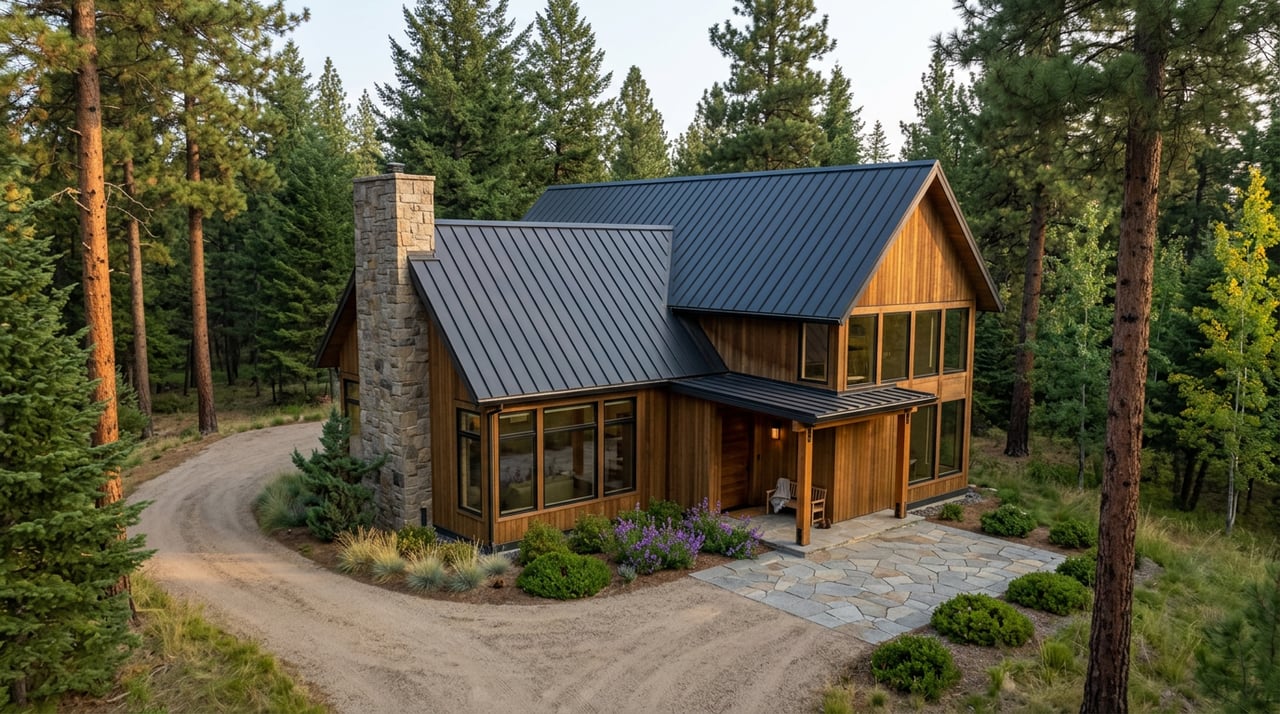
Thinking about holding a Littleton foothills home as a long-term rental? The views, trail access, and commuter convenience can support healthy rents, but higher purchase prices and carrying costs make the math more nuanced. If you want reliable cash flow, you need local rent comps, a realistic expense model, and a plan for foothills-specific maintenance. This guide walks you through the numbers and the practical steps to operate with confidence in Littleton’s west-side foothills of Arapahoe County. Let’s dive in.
What makes the foothills different
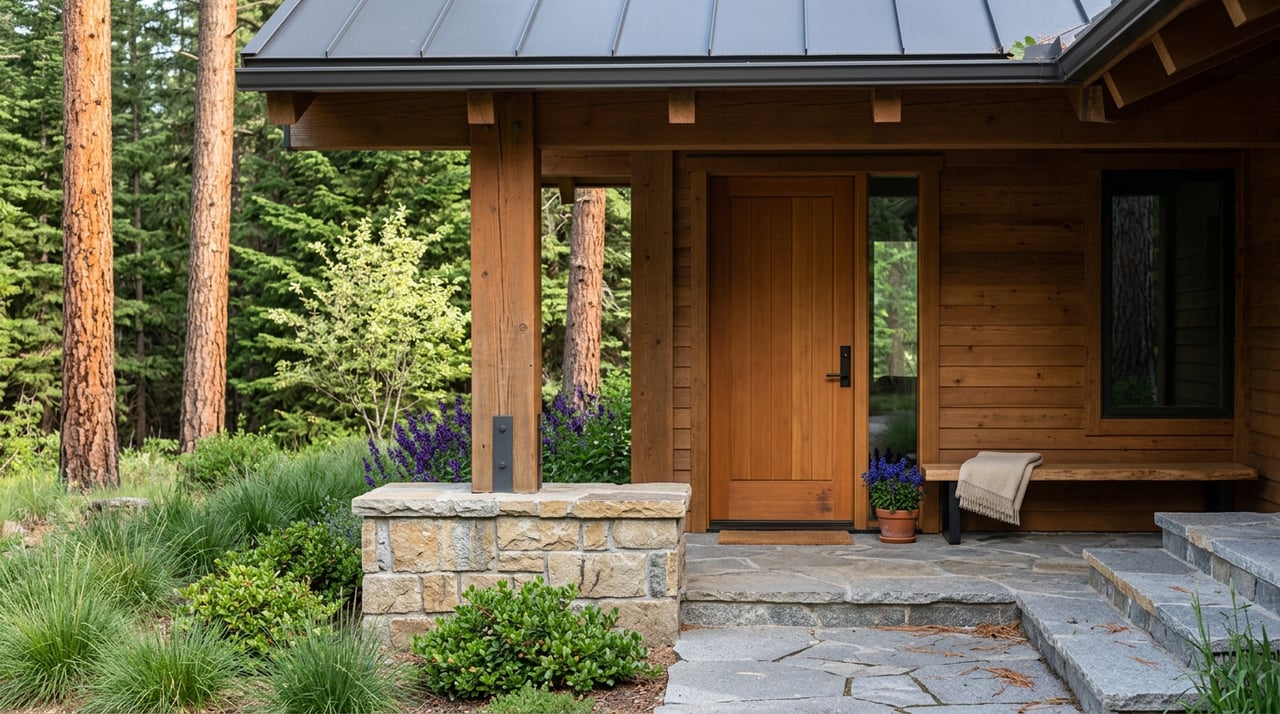
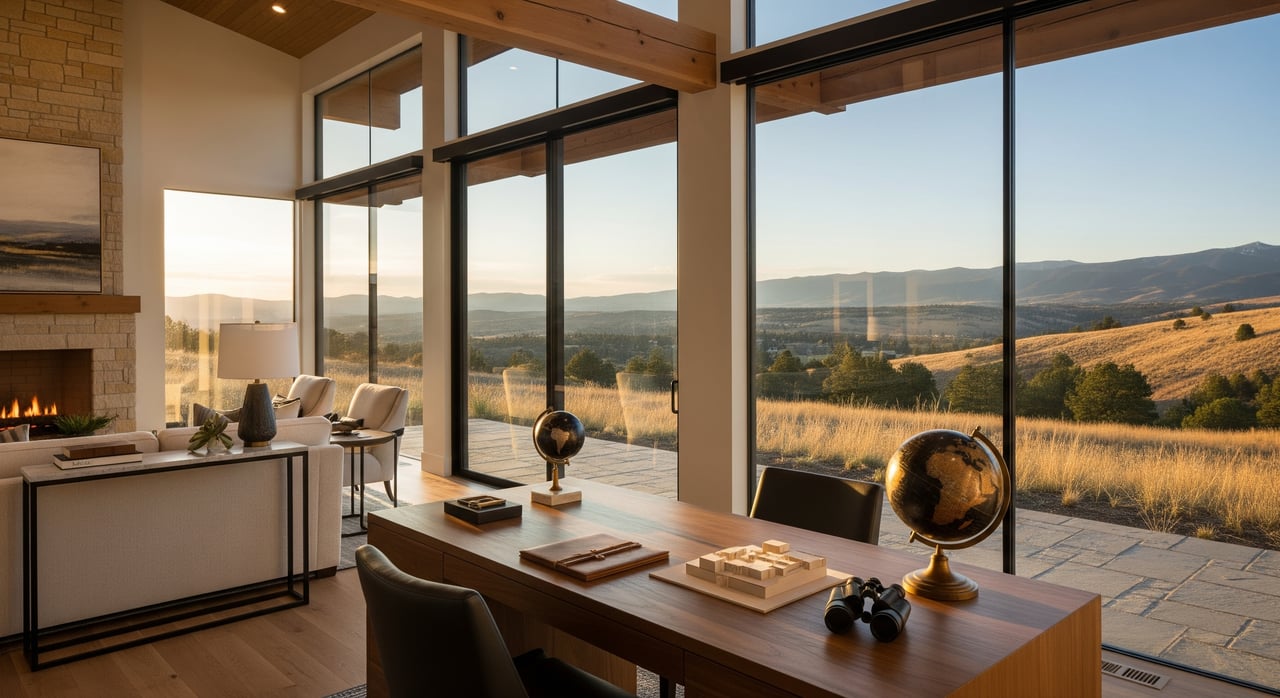
The west-side foothills attract renters who value outdoor access and a quieter setting while staying close to Denver and the DTC. You will see interest from professionals, small families, and outdoor-focused tenants. Homes with 2 to 3 or more bedrooms, parking, and usable outdoor space tend to draw steady demand.
These same features can push purchase prices and insurance costs higher than non-foothills suburbs. Expect rent potential to be above broader metro averages for true foothills locations, but model higher operating expenses so your return assumptions stay realistic.
How to pull rent comps that stick
You want comps from the immediate foothills, not the entire city or the broader Denver metro. Start with a tight geographic boundary, then match homes and lease terms.
- Use local MLS lease history when available and check active long-term rental listings in the foothills.
- Cross-check with aggregators like Zillow Research, RentCafe, Apartment List, and Rentometer for quick reference. Treat these as directional.
- Call local property managers and review their current listings to confirm rent ranges, concessions, and typical lease lengths.
- Check county records for context on recent sales and assessed values.
Step-by-step comp selection
- Define the foothills boundary. Focus on west-side Littleton foothills in Arapahoe County rather than citywide results.
- Match attributes. Bedrooms, baths, square footage, lot, year built, finishes, garage, and position on the slope or valley.
- Adjust for amenities. Fenced yard, finished basement, updated kitchen, utilities included, and pet policies all affect rent.
- Match lease terms. Month-to-month or six-month leases can command a slight premium but bring higher turnover risk.
- Note seasonality. Winter listings often need concessions like a reduced deposit or a partial month free.
Practical tip: Build a small worksheet with 3 to 8 active listings and 3 leased comps. Calculate a weighted mean rent for your bedroom type. Recheck monthly during spring and summer.
Seasonality and timing
Peak leasing typically runs April through August. You will see faster lease-ups and fewer concessions in this window. Winter demand slows, days on market stretch, and incentives may be needed.
- List in spring or early summer to minimize vacancy and maximize rent.
- If you buy in late fall or winter, plan for 1 to 2 months of downtime before a lease starts.
- In slower months, consider modest concessions rather than large rent cuts.
Build your rental math
You do not need a complex model, but you do need the right pieces. Use these definitions to structure your pro forma.
- Gross Scheduled Rent (GSR): annual rent if fully leased.
- Vacancy and credit loss: a conservative allowance. Many stable markets use 5 to 8 percent. Expect winter to be higher.
- Gross Operating Income (GOI): GSR minus vacancy and concessions.
- Operating expenses: taxes, insurance, any owner-paid utilities, repairs and maintenance, management, HOA, advertising, legal/accounting, and reserves.
- Net Operating Income (NOI): GOI minus operating expenses.
- Cap rate: NOI divided by purchase price. Use to compare properties.
- Cash-on-cash return: pre-tax cash flow after debt service divided by your initial equity.
Common local assumptions to test
- Vacancy allowance: 5 to 8 percent baseline.
- Property management: 8 to 12 percent of monthly rent for full service. Tenant placement can equal half to one full month of rent.
- Maintenance and repairs: 1 percent of property value per year or 5 to 10 percent of gross rent. Older or higher-end foothills homes should budget toward the top of the range.
- Capital reserves: 5 to 10 percent of rent or a set annual amount for roof, HVAC, and appliances.
- Property taxes: verify with the Arapahoe County Assessor, since effective rates vary.
- Insurance: foothills premiums can be higher due to wildfire and terrain. Get quotes early.
A simple, hypothetical example
This illustration is for structure only. Plug in your actual comps and quotes.
- Market rent: 2,900 dollars per month
- GSR: 34,800 dollars per year
- Vacancy at 6 percent: 2,088 dollars
- GOI: 32,712 dollars
- Operating expenses (illustrative):
- Taxes: 3,800 dollars
- Insurance: 2,200 dollars
- Management at 9 percent of rent: 3,132 dollars
- Maintenance reserve at 8 percent of rent: 2,784 dollars
- HOA: 900 dollars
- Utilities paid by owner: 600 dollars
- Advertising/legal/accounting: 400 dollars
- Capex reserve: 2,000 dollars
- Total expenses: 15,816 dollars
- NOI: 16,896 dollars
- If purchase price is 600,000 dollars, cap rate is about 2.8 percent.
- If financed, subtract annual debt service to find pre-tax cash flow, then divide by your equity for cash-on-cash.
Interpretation: If your cap rate is lower than your target, revisit purchase price, rent positioning, or expense assumptions. In foothills locations where prices are higher, you may prioritize appreciation and rent growth with conservative cash flow in year one.
Plan for carrying costs
List every operating line item so you are not surprised.
- Mortgage principal and interest
- Property taxes and insurance
- HOA dues if applicable
- Owner-paid utilities
- Management and leasing fees
- Routine repairs and maintenance
- Capital reserves for roof, HVAC, exterior
- Vacancy, marketing, and turnover costs
- Legal, accounting, and compliance
Verify current assessments and recent bills with the Arapahoe County Assessor. Confirm any rental licensing or zoning items with the City of Littleton municipal code.
Foothills-specific maintenance and risk
Mountain-edge homes face extra wear and risk. Budget time and money for prevention.
- Winter weather: plan for snow removal, ice dam prevention, and freeze-thaw impact. If access is steep or shaded, consider a snow service.
- Fire risk and defensible space: schedule annual brush clearing and vegetation management. Review Colorado State Forest Service wildfire mitigation guidance.
- Erosion and drainage: inspect retaining walls and grading. Keep gutters and downspouts clear.
- Pests and wildlife: line up a local pest vendor and ensure trash and entry points are secured.
Create a preventive maintenance calendar. Include seasonal HVAC checks, roof and gutter inspections in spring and fall, and exterior paint or stain cycles as needed. Keep a 3 to 6 month operating reserve or a yearly capex reserve sized to the home’s age.
Self-manage or hire a manager
Full-service managers can reduce vacancy and protect your time. Typical services include pricing and leasing, screening, rent collection, maintenance coordination, inspections and turnover, compliance with landlord-tenant rules, and monthly accounting.
- Monthly fee: commonly 8 to 12 percent of rent for single-family homes. Tenant placement is often an extra flat fee or one month of rent.
- Maintenance passthrough: some add a small markup, others pass through actual costs.
Professional management often makes sense if you live far away, own several properties, operate a complex or high-end home, or want a hands-off experience. If you live nearby and have time and systems, self-management can improve cash flow but requires diligence. For industry context, explore IREM property management resources and recent AppFolio industry reports.
Quantify both paths in your model. Compare vacancy and leasing speed with and without a manager. Ask managers for their average days to lease and portfolio vacancy.
Due diligence and next steps
Move through a clear checklist before you commit. You will make better offers and smoother operating plans.
- Pull 12 to 24 months of comps for the immediate foothills area. Include active and leased data.
- Confirm tax history and projected bills with the Arapahoe County Assessor.
- Verify zoning, rental licensing, and any HOA rental rules in the City of Littleton municipal code.
- Request insurance quotes that include wildfire and wind coverage.
- Order a home inspection with special attention to drainage, retaining walls, roof, and HVAC.
- Price out routine maintenance and any near-term capital items.
- If you target families, confirm district boundaries and school assignments for the specific parcel.
Gather financial inputs early: purchase price, loan terms, rent estimate, rent growth assumptions, vacancy rate, and detailed expenses. For regulatory context and licensing, check the Colorado Division of Real Estate. For broader investor trends and benchmarks, review NAR research and statistics.
If you want a working template, take the framework above and build a simple spreadsheet. Keep assumptions conservative, then re-run the model right before you list to reflect the current season.
Work with a foothills advisor
If you are weighing a hold strategy in Littleton’s foothills, you deserve guidance grounded in local experience and legal-grade detail. As a mountain-area specialist with a JD background, I help you price correctly, negotiate with precision, and plan for risk so you can own more confidently. For a discreet conversation about acquisition, valuation, or a transition to a rental, connect with Dawn Zalfa.
FAQs
What months are best to list a Littleton foothills long-term rental?
- Peak leasing typically runs April through August, which often brings faster lease-ups and fewer concessions than winter.
What vacancy rate should I assume for Littleton foothills rentals?
- A 5 to 8 percent annual vacancy allowance is a common starting point for stable markets, with higher risk in winter months.
How much should I budget for maintenance on an older foothills home?
- Many investors use 1 percent of property value per year or 5 to 10 percent of gross rent, plus a separate capex reserve for roof, HVAC, and appliances.
What do professional managers typically charge in the Littleton foothills?
- Full-service fees often range from 8 to 12 percent of monthly rent, with a separate tenant placement fee that can equal half to one month of rent.
How do I factor wildfire risk into my pro forma for a foothills rental?
- Obtain insurance quotes that include wildfire and loss-of-rent coverage and plan annual defensible-space work using Colorado State Forest Service guidance.
Where can I confirm taxes and local rental rules before buying?
- Verify property taxes with the Arapahoe County Assessor and review the City of Littleton municipal code for zoning and licensing specifics.