The number you saw on the portal is $817,000. That is the May 2026 median sale price for Pine, across 46 closings and a 54-day median time on market. It is also, on its own, one of the least useful figures in the foothills, because Pine's zip code is not a single market. It is four, stitched together by a Highway 285 exit and a shared 80470.
Before we get to what that median buys in each of them, there is a friction that any Pine buyer should treat as the actual gating item on their transaction. It is not price. It is insurance.
The insurance clock runs longer than the inspection clock
Redfin's First Street data classifies 100% of properties in 80470 as carrying wildfire risk over the next 30 years, with 342 parcels (about 15%) also flagged for severe flood exposure along the drainages. That footprint is what carriers see when they price a policy.
Colorado's average homeowners premium sits near $4,600 per year, the fourth highest in the country, and foothills zip codes routinely report averages above $7,500. Non-renewals rose 77% statewide between 2018 and 2023 and have continued upward. In practice, a Pine buyer under contract in July 2026 or later is operating under HB25-1182, signed in May 2025 and effective July 1, 2026, which requires insurers to disclose their wildfire risk score, factor documented mitigation into pricing, notify policyholders 60 days before renewal or 90 days before non-renewal, and respond to an appeal within 30 days.
What that means at the closing table: if a property has no documented defensible space, no Class A roof, and no fireline score on record, the buyer's insurance quote may come back as non-admitted only, or arrive from a specialty broker two weeks later than expected. Local brokers who work this market, including Premier Mountain Insurance in Evergreen, name Pine and Bailey specifically as zip codes where the underwriting file often has to be built by hand.
That reality reshapes how a rational buyer reads the four Pine sub-markets below. Two of them enter the insurance conversation with an advantage already built in.
One median, four sub-markets
| Sub-market | Typical parcel | What the buyer is really buying | Insurance posture |
|---|---|---|---|
| Woodside Park (Units 1–6) | 2 to 10 acres, covenanted | Equestrian infrastructure, easement trails, HOA-level mitigation culture | Strongest documentation |
| Lionshead Ranch / Douglass Ranch | 2 to 5+ acres, custom | Newer construction, gentle acreage, 285 proximity | Moderate; depends on build year |
| Buffalo Creek river corridor | 5 to 22+ acres | River access, recreational use, remoteness | Hardest to place |
| Pine Grove village | 0.25 to 1 acre, older cottages | Walkable town lot, small structures | Old-roof and old-electrical risk |
Woodside Park: the HOA is the underwriting story
Woodside Park is subdivided into six units, with Units 1–4 operating under one voluntary HOA out of PO Box 176, Pine, and Units 5 and 6 under a separate covenant-controlled association. The community was built out between the 1970s and 1990s, with lots ranging from two to ten acres and most homes falling between 2,000 and 5,000 square feet.
Three things about Woodside Park change how the market prices it:
- The HOA owns and operates an Equestrian Center with a three-stall boarding facility, an arena, and a round pen. Membership hinges on paid dues, and the arena is limited to twelve users at a time with rules on trailer parking, alcohol, and equine behavior.
- The community's private trail network exists as easements, not fee-simple open space. Those easements restrict use to hiking and equestrian riders. Mountain biking is prohibited on Woodside trails, which surprises some buyers coming from Jefferson County Open Space.
- Lots in Units 2, 3, and 4 sit under mandatory covenants that predate the current HOA. Unit 1 does not carry the same mandatory covenants. That distinction matters at title review and again when a carrier asks for defensible-space documentation.
Recent Woodside inventory in the research included a 4-acre horse property, a mitigated 2-acre log home, and a 2.5-acre parcel with a private pond, with list prices ranging from the high $600,000s to the mid-$1 million range.
Lionshead Ranch and Douglass Ranch: the 285-proximate acreage tier
These are the subdivisions where the phrase "mountain contemporary on gentle acreage" earns its keep. Lionshead Ranch homes typically sit on 2 private acres with custom finishes. Douglass Ranch parcels run larger, often 5+ gentle acres, and sit minutes from Staunton State Park with direct Highway 285 access. Recent listings from the research showed a 3-bedroom, 3-bath Lionshead custom at a high-six-figure price point and a Douglass Ranch home with meadow frontage in a similar range.
The reason these subdivisions frequently transact above the Pine median is not square footage. It is a combination of newer build years, which correlate with fire-resistant construction, and driveway grades and clearances that pass insurance inspection with less remediation than older parcels.
Buffalo Creek: the recreational corridor south of town
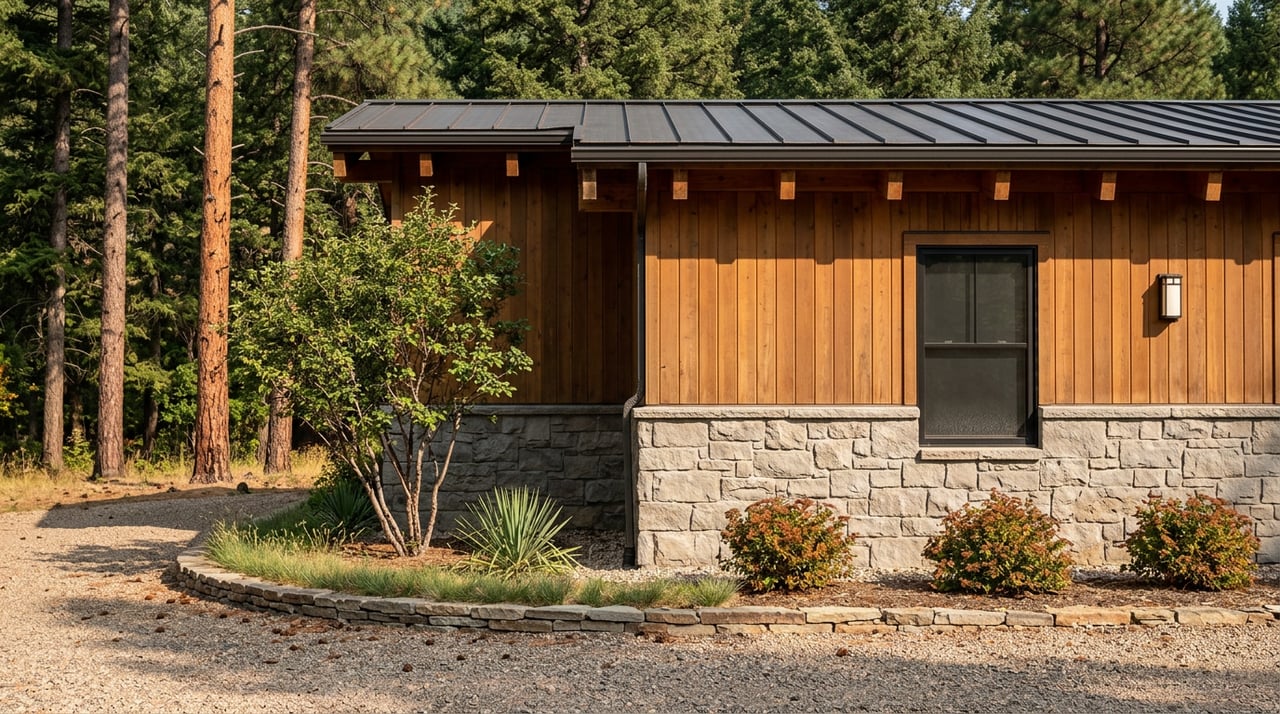
Buffalo Creek sits about 40 miles from the western Denver metro and is where the 80470 median stops being a useful reference at all. Riverside 22-acre parcels with pasture and direct access to hundreds of miles of hiking, mountain-biking, and equestrian trails trade on land and water rights, not price per square foot. This is also the sub-market where a Pine buyer is most likely to encounter three insurance declines and end up on the Colorado FAIR Plan, the state's insurer of last resort. Buffalo Creek is also the sub-market where Dawn's legal-side experience matters most. Water rights, easements of record, and access-road maintenance agreements sit inside recorded documents that only surface during a careful title review.
Pine Grove: the village at the intersection
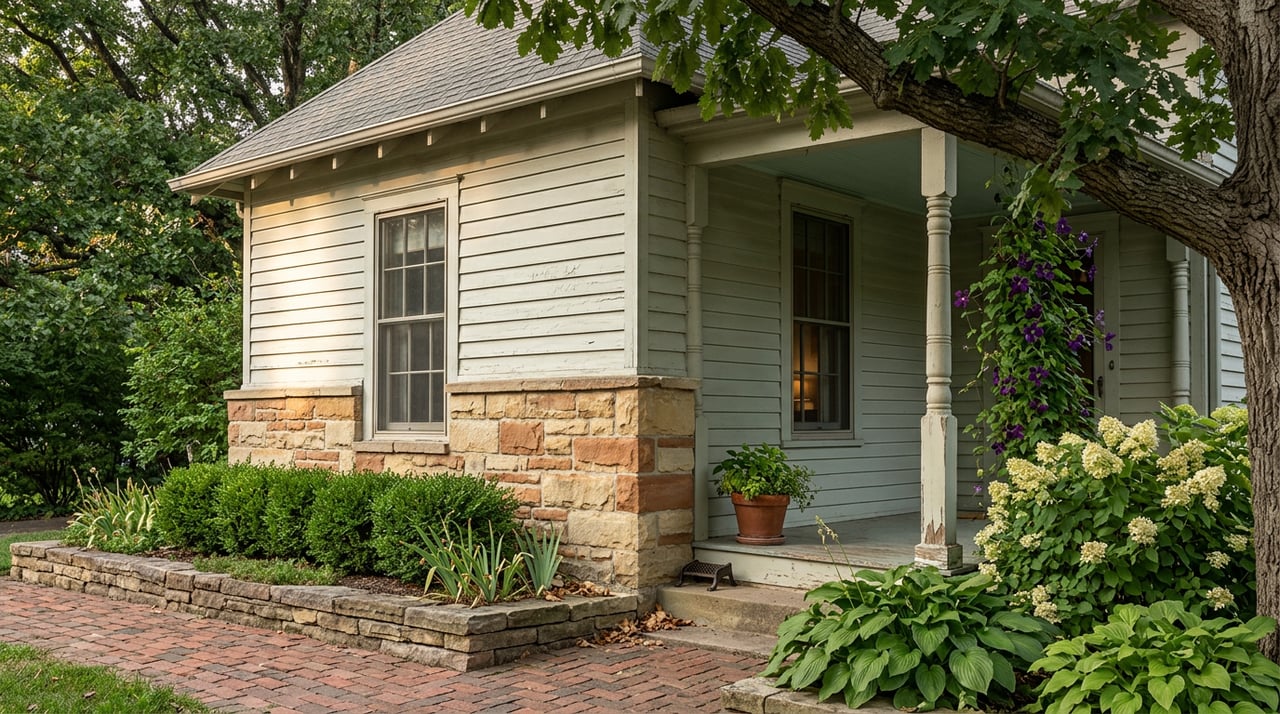
At the other end of the range are the Pine Grove cottages. The research surfaced a 427-square-foot cottage on a 0.79-acre corner lot at Park Avenue and Seventh Street. These properties price well below the Pine median, sometimes below $300,000, and they serve a specific buyer: someone who wants walking distance to the Pine post office, the June Rhubarb Festival on Main Street, and the small commercial cluster near the Pine Junction Park-n-Ride. The catch is that older village stock often carries the roof-age, wood-siding, and electrical-panel issues that trigger the strictest underwriting flags.
Reading the median as a buyer
The dispersion is what the single-number median hides. Realtytrac's rolling twelve-month view of 80470 shows sale prices from $150,000 to $6,000,000. Zillow's May 2026 snapshot shows 24.2% of active listings with price drops on the board. Movoto put the May 2026 median at $817,000 against 54 days on market, up from a lower median a month earlier.
Read together, three signals emerge:
- The high tail is thick. Woodside Park equestrian properties and Buffalo Creek acreage keep the median well above the raw cottage stock.
- Price cuts are concentrated in the middle tier, where sellers of 2010s-era homes on 2 acres have to prove insurability to attract offers.
- Sub-market matters more than square footage. A 2,000-square-foot Woodside Park home with a documented defensible space plan is a different asset than a 2,000-square-foot Buffalo Creek home without one, even at identical list prices.
That is the market a buyer is actually shopping. The median is a starting point for conversation, not a comparable.
FAQ
Why does Pine's price per square foot swing so widely inside one zip code? Because the parcel and its documentation are the asset. Land tier, water rights, HOA infrastructure, and mitigation history explain more variance than finish level.
Does Woodside Park's voluntary HOA in Units 1–4 mean I can skip the dues? Dues are voluntary at $50 per year for HOA membership benefits like the Equestrian Center. The mandatory covenants on Units 2, 3, and 4 are separate and run with the land regardless of HOA membership.
What changes on July 1, 2026, for a Pine buyer? HB25-1182 takes effect. Insurers using wildfire risk scores must disclose the score, factor documented mitigation into pricing, and allow you to appeal. Requesting the score early in escrow, rather than at the renewal notice, becomes the smart move.
How should I budget for insurance on a Pine home above $1 million? Assume the foothills range, which recent industry reporting places above $7,500 per year in high-risk zips, and confirm through an admitted or non-admitted carrier quote before removing the loan contingency.
Working past the median
The Pine market rewards buyers who stop reading the median as a target and start reading it as an average of four different transactions. The right one for you turns on what you actually want on the deed: an equestrian easement, a river frontage, a 285-adjacent commute, or a village lot within walking distance of the Rhubarb Festival.
For a confidential conversation about specific parcels, insurability profiles, and off-market inventory in Woodside Park, Lionshead Ranch, Douglass Ranch, Buffalo Creek, and Pine Grove, Dawn Zalfa works this market with the contract discipline the transaction requires. Request a Confidential Home Valuation to begin.