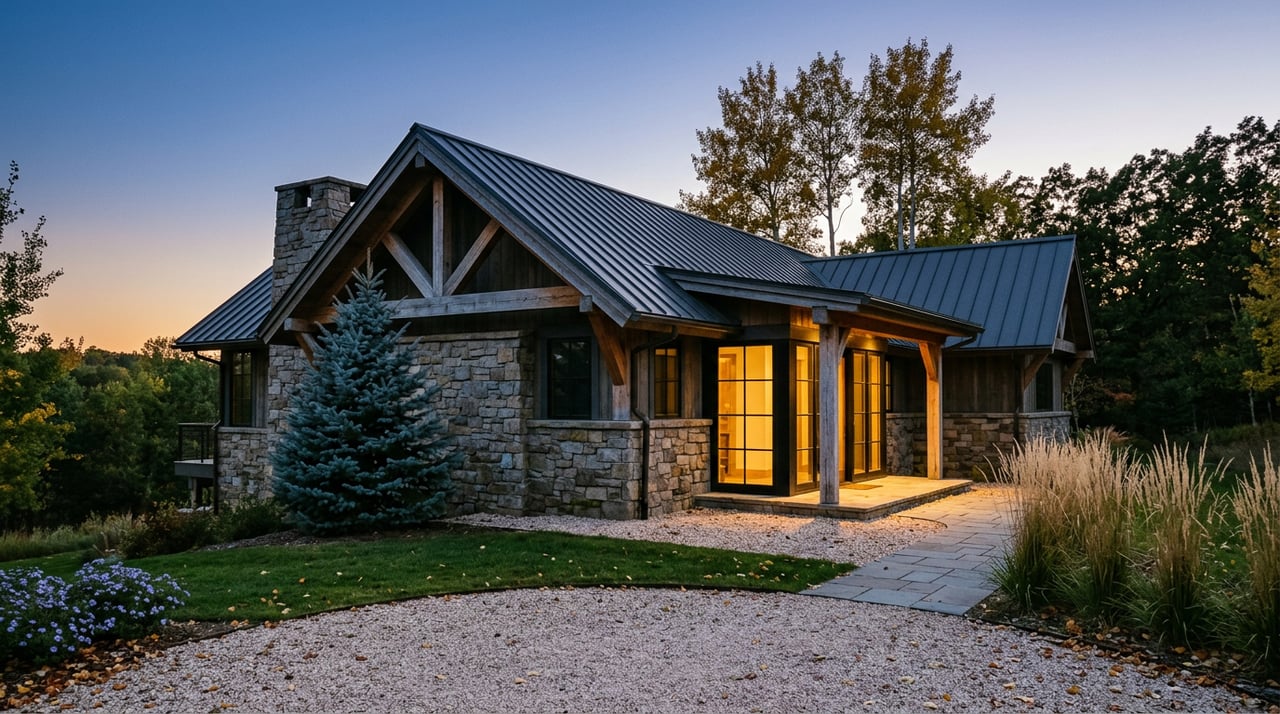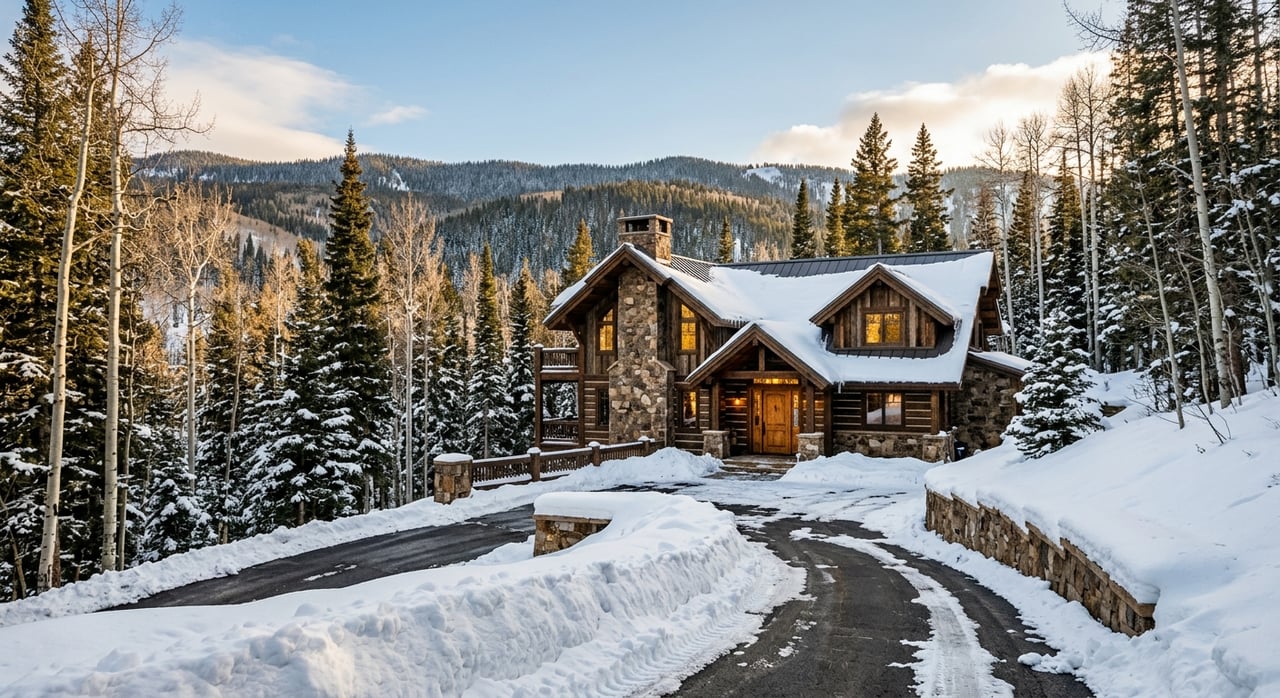
Dreaming about a weekend cabin in Pine? You are not alone. Many buyers are drawn to this part of Jefferson County for its mountain setting, open space, and slower pace, but buying a retreat here is not the same as buying a typical suburban second home. If you want a place that feels restorative instead of stressful, it helps to know how Pine properties really work before you make an offer. Let’s dive in.
Why Pine appeals to weekend buyers
Pine offers the kind of setting many second-home buyers picture when they think about a Colorado retreat. Jefferson County identifies the area as part of its unincorporated foothills and mountain communities, and local planning documents emphasize mountain living, a rural atmosphere, low-density housing, open space, and wildlife.
That local character matters if you are searching for a true getaway. Pine is valued more for its setting and lifestyle than for commute-based convenience, which makes it a natural fit for buyers who want a cabin, mountain home, or acreage property where they can unplug for the weekend.
What homes in Pine often look like
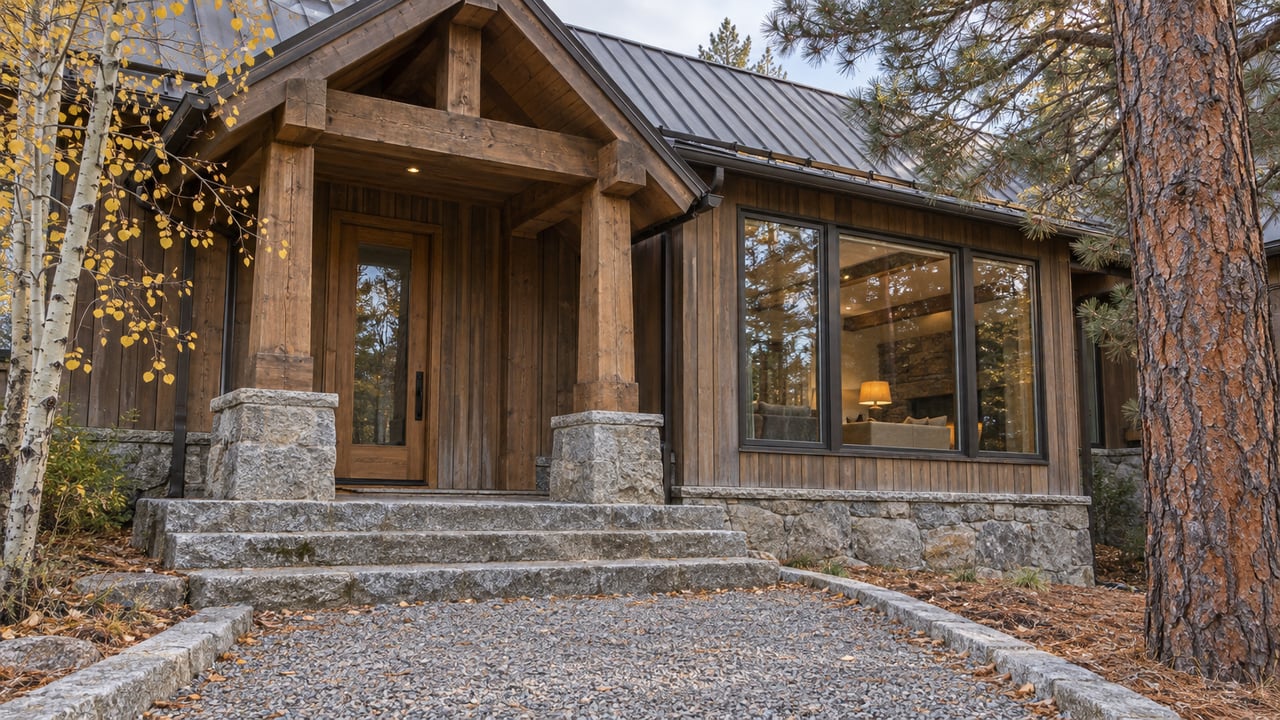
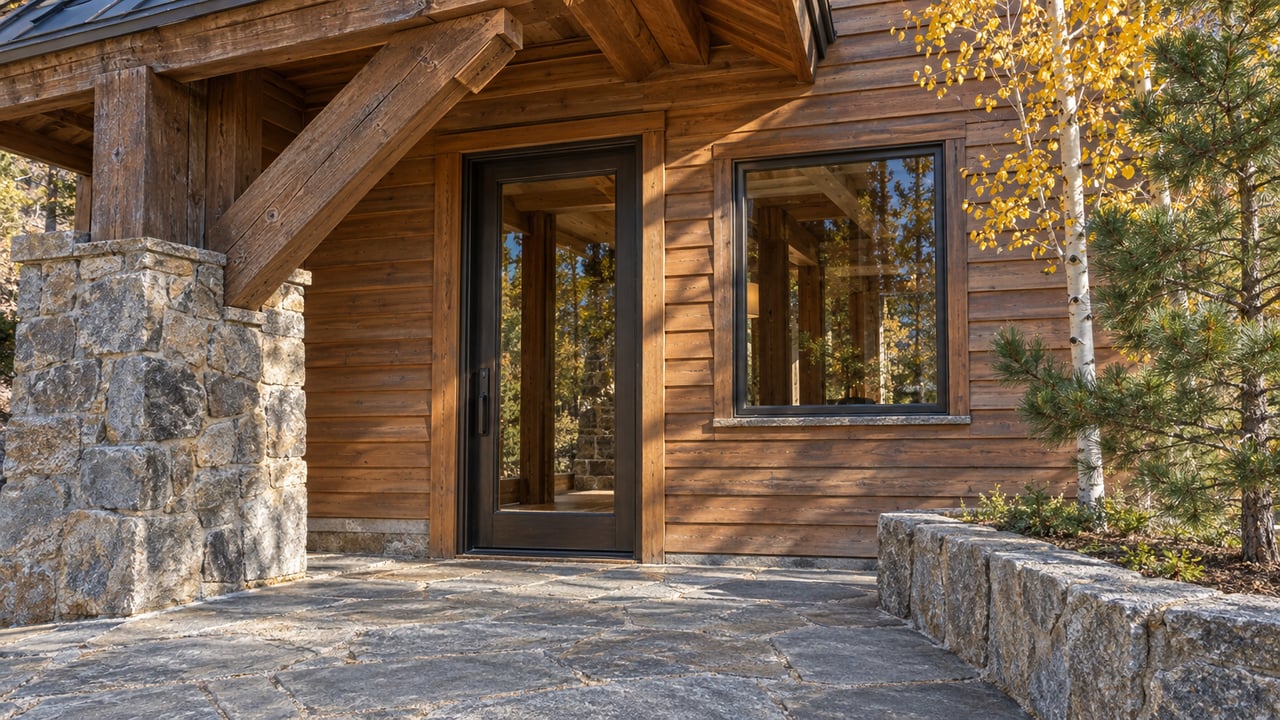
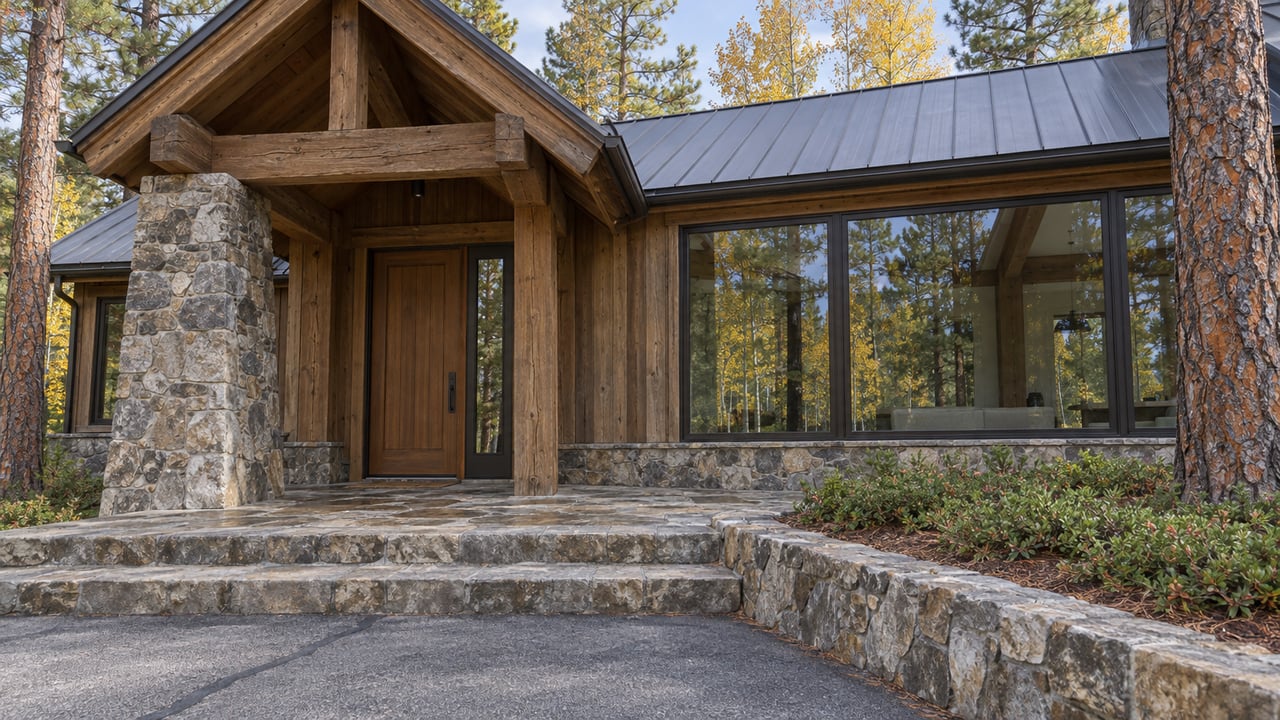
If you are imagining a cabin tucked into the trees, a mountain home on acreage, or a retreat with a little breathing room, Pine often matches that vision. The Conifer/285 Corridor plan points to a housing pattern that includes single-family detached homes on larger lots, often around 1 to 5 acres at the edges of Pine Junction, along with rural clusters and parcels that may rely on wells and septic systems.
In practical terms, that means your search may look very different from a search in a master-planned neighborhood. Instead of comparing near-identical houses, you are more likely to weigh road access, utility setup, lot topography, tree cover, and maintenance demands along with the home itself.
Focus on access before finishes
A beautiful cabin can lose some of its shine if getting there becomes difficult in bad weather. Jefferson County reports average annual snowfall of 60.3 inches countywide, so winter access is a real part of ownership in Pine.
Jefferson County Road & Bridge District IV serves Conifer, Pine, and Buffalo Creek, and the county plows thousands of paved and gravel lane miles in unincorporated areas. Still, county maintenance does not apply to every road. Private roads, state highways, and roads not accepted by county resolution are excluded, and Jeffco notes it can take a minimum of 12 hours after snow stops to fully plow a route.
That is why one of the first questions to ask is simple: Who maintains the road? If the route to the property is private, your weekend-use experience may depend on a private agreement, HOA structure, or separate maintenance arrangements rather than county service.
Road questions worth asking
- Is the road county-maintained or private?
- If private, who handles snow removal and grading?
- How quickly is the route typically cleared after a storm?
- Is the driveway steep, narrow, or heavily shaded?
- Does the property remain practical for the kind of winter use you want?
Know the water and wastewater setup
In Pine, utilities are often more parcel-specific than buyers expect. Jefferson County states that it is not a water provider, and mountain properties are generally supplied by wells, while water and sewer lines are owned by water and sanitation districts where available.
Onsite wastewater treatment systems, commonly called septic, are also common in mountain areas and are regulated by Jefferson County Public Health. For some septic-backed sales, the county notes that a use permit and well-water quality testing may be required before final approval.
For a weekend cabin buyer, this is not just technical background. It shapes your cost, maintenance routine, and due diligence. A property on a well and septic may be a perfect fit, but you want clarity on system condition, permitting, and what is required for a smooth closing.
Utility details to confirm early
- Whether the property uses a well or district water line
- Whether the home is served by a septic system
- Whether any permits or inspections will be needed for the sale
- What ongoing upkeep the systems require
- Whether the setup matches your comfort level as a part-time owner
Plan for real mountain maintenance
A weekend retreat should feel like an escape, but mountain ownership still comes with regular responsibilities. In Pine, those can include snow removal, road grading, well testing, septic upkeep, and tree and land management.
That is especially important if you do not plan to be at the property every week. A home that sits empty for stretches of time may still need active oversight, especially in winter or during periods of elevated wildfire concern.
Wildfire readiness is part of ownership
Jefferson County says it has the second-highest wildfire risk of any Colorado county and a greater risk than 98% of counties across the country. In Pine, that makes wildfire mitigation part of normal ownership, not an optional extra.
The county’s defensible-space guidance focuses in part on keeping the 0 to 5 foot zone around structures clear of combustible materials. Jefferson County also offers mountain pine beetle mitigation and landowner assistance programs, which reflects how ongoing forest stewardship is part of living in the foothills.
If you are buying a wooded retreat, it is wise to think beyond curb appeal. Trees, needles, brush, and the immediate area around the home all affect upkeep and risk management.
Mountain stewardship checklist
- Review tree density near the home
- Ask about recent mitigation or forest-health work
- Check the condition of the area closest to structures
- Budget for ongoing cleanup and vegetation management
- Consider how the property will be monitored when you are away
Recreation is a major part of the draw
For many buyers, the point of owning in Pine is easy access to the outdoors. This area offers strong recreation options that support the weekend-home lifestyle without requiring a long planning process every time you visit.
Pine Valley Ranch Park is one of the standout local amenities. Jefferson County lists it as an 883-acre park with 5.8 trail miles, Pine Lake, winter ice skating, and warm-weather pier fishing. The Buffalo Creek Recreation Area connects through Buck Gulch Trail and expands access into Pike National Forest.
Reynolds Park is another major draw, with hiking, equestrian, and mountain-bike access. Its 10.1-mile North Fork Trail reaches the South Platte River and connects to the Colorado Trail, and the park also allows permitted camping.
That said, access is not static year-round. Jefferson County notes that some parks have seasonal wildlife closures, so part-time owners should expect occasional changes and check alerts before planning a weekend around a specific route.
Match the property to your actual use
One of the smartest things you can do is define how you will really use the cabin before you buy. A retreat for quiet weekends, trail access, fishing days, and occasional work-from-the-mountains may call for a different property than one meant for extended seasonal stays.
Some buyers care most about privacy and acreage. Others want easier year-round access, simpler maintenance, or a location closer to the mixed-use conveniences envisioned around Pine Junction. Neither approach is better. The goal is to choose a property that fits your habits, not just your daydream.
A smart cabin search starts with due diligence
In Pine, the details behind the listing often matter as much as the photos. Road maintenance, water source, septic status, winter access, and wildfire mitigation can all shape the ownership experience in meaningful ways.
That is where specialized guidance becomes valuable. Mountain and acreage properties often involve more moving parts than a typical residential purchase, and careful review up front can help you avoid surprises later.
If you are considering a weekend cabin or mountain retreat in Pine, working with an advisor who understands foothills properties can help you evaluate both lifestyle fit and property risk with more confidence. When you are ready to explore Pine with a strategic eye, connect with Dawn Zalfa for thoughtful, high-touch guidance tailored to Colorado mountain real estate.
FAQs
What makes Pine, Colorado appealing for a weekend cabin buyer?
- Pine offers a rural mountain setting in Jefferson County with open space, wildlife, low-density housing, and access to recreation like Pine Valley Ranch Park and Reynolds Park.
What types of properties are common for weekend homes in Pine?
- Buyers in Pine often find cabins, mountain homes, and single-family properties on larger lots, including acreage parcels that may rely on wells and septic systems.
What should buyers ask about road maintenance for a Pine retreat?
- You should confirm whether the road is county-maintained or private, who handles snow removal, and how winter conditions may affect access to the property.
Are wells and septic systems common in Pine, Colorado properties?
- Yes. Jefferson County notes that wells are common in mountain properties, while onsite wastewater treatment systems, or septic systems, are also part of the local landscape.
How much maintenance does a weekend cabin in Pine usually require?
- Part-time owners should expect ongoing tasks such as snow removal, possible road grading, well testing, septic upkeep, defensible-space work, and tree management.
Is wildfire mitigation important for homes in Pine?
- Yes. Jefferson County reports very high wildfire risk, and buyers should plan for defensible space, vegetation management, and ongoing forest stewardship as part of ownership.
What recreation options support the weekend-home lifestyle in Pine?
- Pine Valley Ranch Park and Reynolds Park provide trail access, fishing, river access, winter recreation, and connections to broader outdoor areas, though some seasonal closures may apply.