Thinking about trading Littleton convenience for Conifer space and mountain character? It can be an exciting move, but it also comes with a different set of ownership rules, costs, and timelines than you may be used to in the suburbs. If you plan to make that move in the next 12 months, understanding the practical details now can help you avoid rushed decisions and expensive surprises later. Let’s dive in.
What changes in Conifer ownership
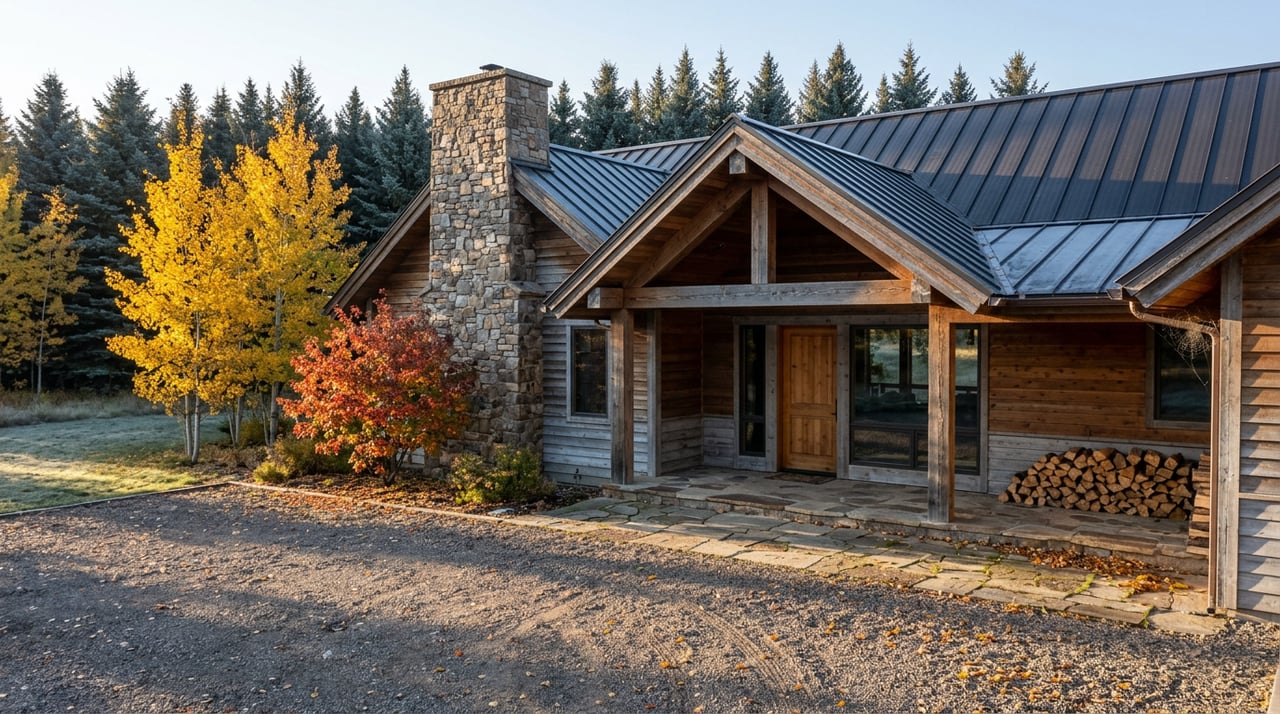
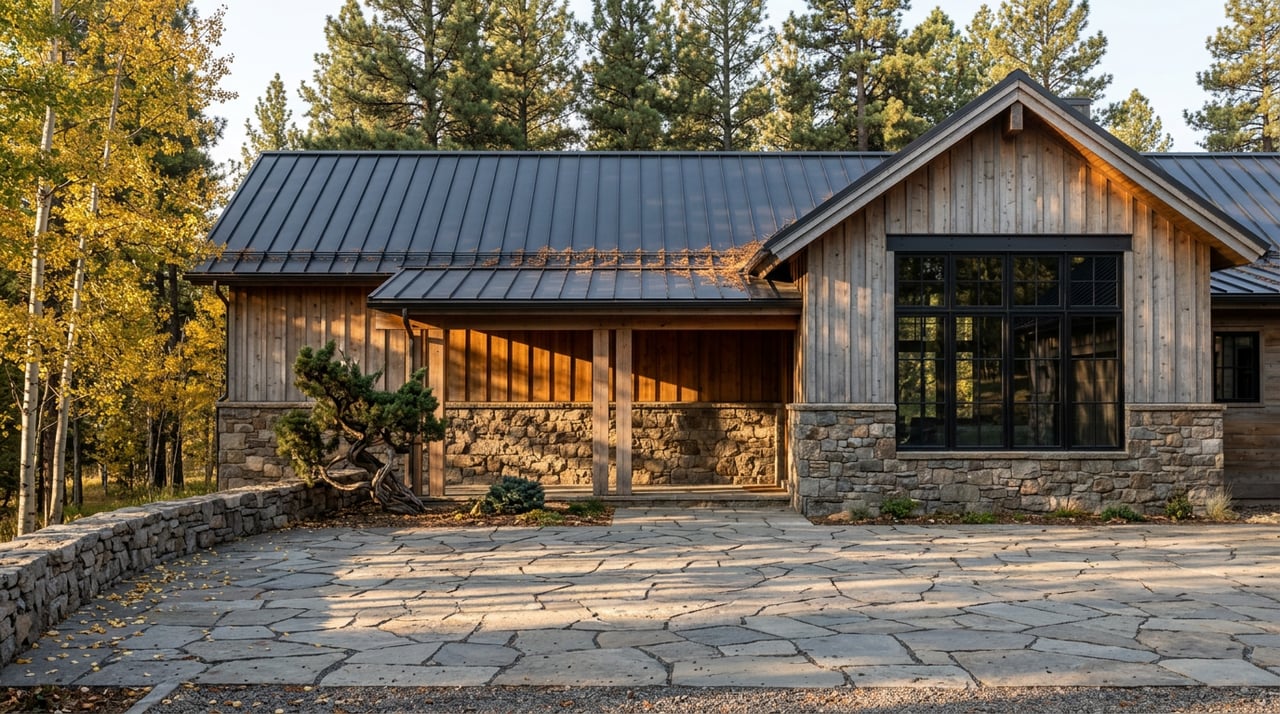
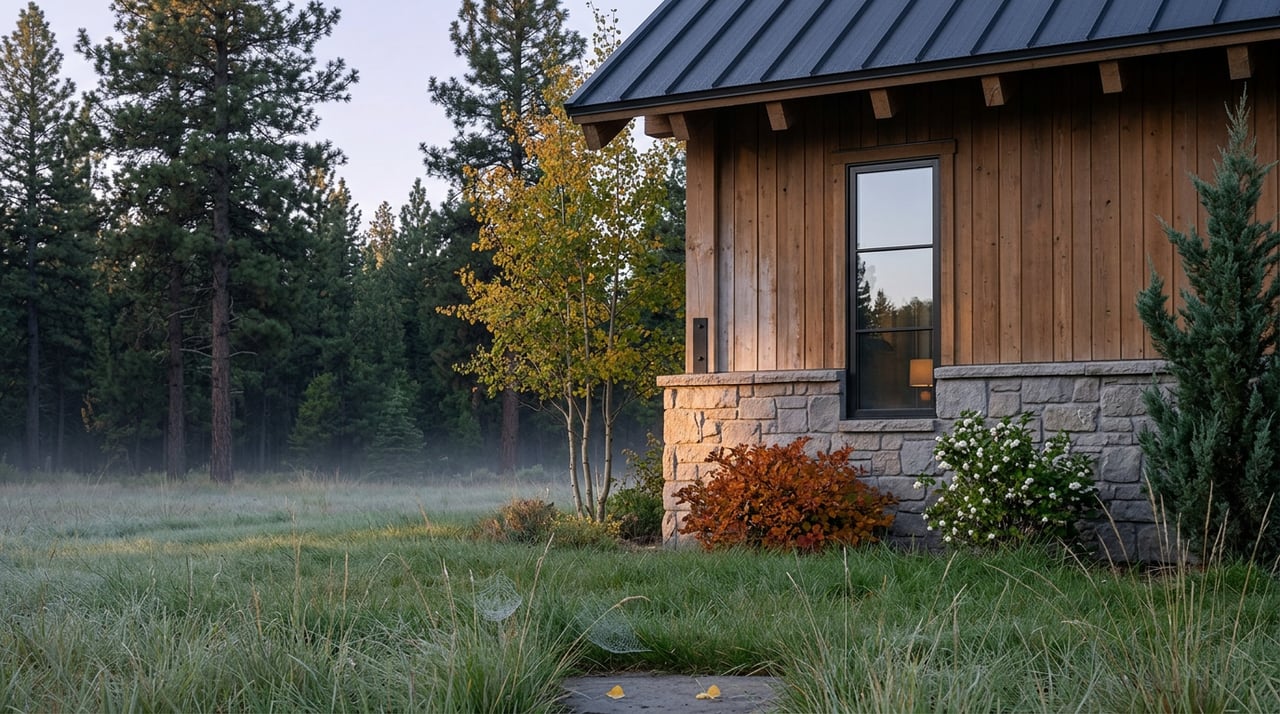
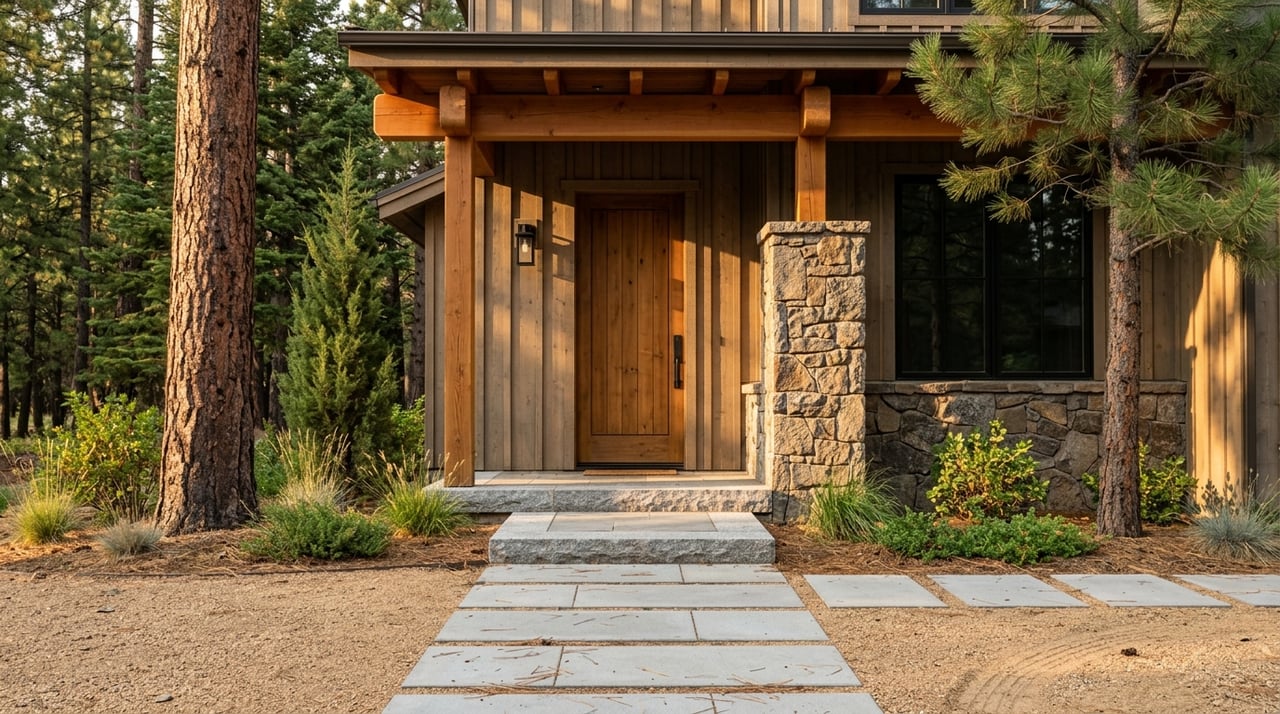
Moving from suburban Littleton to Conifer often means shifting from a utility-connected neighborhood to a property with more independent systems. Jefferson County describes the Conifer and 285 Corridor as a south-mountain community shaped around rural mountain character, open space, wildlife habitat, and environmental quality. That setting is a big part of the appeal, but it also changes what you need to evaluate before you buy.
In many Conifer-area properties, you may need to think beyond square footage, finishes, and commute time. Water supply, wastewater treatment, wildfire exposure, vegetation management, and property maintenance all become part of your normal due diligence. Some areas rely on private wells and onsite wastewater treatment systems instead of public water and sewer, so the ownership experience can feel much more hands-on.
That does not mean the move is harder. It means the move rewards preparation. When you understand the systems, records, and ongoing costs that come with foothills living, you can buy with much more confidence.
Build a realistic 12-month timeline
A move from Littleton to Conifer usually involves two transactions that need to work together: selling your current home and buying your next one. Timing matters even more when the replacement home may have a well, septic system, acreage, or wildfire-mitigation needs. A smart timeline gives you room to solve issues before they become closing problems.
Nine to twelve months out
Once you are serious about shopping, it helps to get preapproved. Consumer guidance from CFPB notes that preapproval letters are commonly valid for 30 to 60 days, and sellers often want to see one. Starting early can also surface documentation or credit issues while you still have time to fix them.
This is also the right window to define your cash budget. Closing costs typically run about 2% to 5% of the purchase price, not including your down payment. CFPB also recommends keeping an emergency reserve of roughly 3 to 6 months of expenses, which is especially important when you are moving into a home with more complex systems and maintenance needs.
Three to six months out
This is the stage to narrow locations, compare property types, and study how much complexity you are willing to take on. If a property may need a new or replacement well permit, Colorado Division of Water Resources says a complete well-permit application can take up to 49 days to review. That timeline matters if you are trying to line up your Littleton sale with a Conifer closing.
If you are financing, keep your mortgage rate-lock timing tied closely to your expected closing window. CFPB says rates can change daily or even hourly, and rate locks are typically offered for 30, 45, or 60 days. If the transaction runs long, extensions can be costly.
Zero to three months out
Once you are under contract, details move fast. Review your Closing Disclosure as soon as it arrives, since CFPB guidance says you should receive it at least three days before closing. Plan your final walk-through before signing so you can confirm the property’s condition and any agreed work.
In a financed purchase, the loan closing and home-purchase closing usually happen at the same time. That makes coordination between the sale of your Littleton home and the purchase of your Conifer home especially important. A clean plan can help reduce overlap, stress, and last-minute financing pressure.
Focus on wells and water quality
One of the biggest shifts in a foothills purchase is water. Private wells are not regulated the same way public drinking-water systems are, and the owner is responsible for making sure the water is safe. That means you want to treat water due diligence as a core part of the purchase, not a box to check late in the process.
Colorado and local guidance make the ownership responsibility clear. Jefferson County Public Health recommends annual well testing, and EPA guidance recommends annual testing for total coliform bacteria, nitrates, total dissolved solids, and pH. Even when testing is not required for every property, it is still a smart baseline for understanding what you are buying.
You should also remember that water rules can be parcel-specific. Jefferson County notes that in some onsite wastewater permit situations, raw well-water testing for total coliform, E. coli, and nitrate as nitrogen is required before final approval. In other words, two nearby properties may not have exactly the same testing or permit issues.
What to review for a private well
- Current well permit records
- Allowable uses for the well
- Construction and pump records
- Recent water-quality test results
- Any known repair or equipment history
If you are looking at acreage, equestrian property, or a mountain retreat with more infrastructure, these records matter even more. A property can be beautiful and still require important follow-up on water supply, system condition, or permitted use.
Understand septic and wastewater systems
The next major shift is wastewater. In places without public sewer, Jefferson County uses onsite wastewater treatment systems, often called OWTS. If you have only owned suburban homes on municipal sewer, this is one of the biggest practical differences in day-to-day ownership.
Jefferson County requires permitting for the use, operation, and maintenance of these systems. Owners also need to avoid overloading the system, and vehicles should not be parked on the absorption bed. Regular inspection and pumping are part of responsible ownership, not optional upkeep.
EPA guidance says a typical septic system should be inspected every 1 to 3 years and pumped every 3 to 5 years. For some higher-level treatment systems, Jefferson County says routine service is beyond the average homeowner’s skill set and requires a qualified service provider. Those systems may also need service contracts, six-month inspections, and operating permits.
Septic questions to answer before closing
- What type of system is installed?
- Are permits and records available?
- When was the last inspection completed?
- When was the system last pumped?
- Is there a required service contract or operating permit?
- Are there any known repair or replacement issues?
These questions are especially important in larger foothills homes, luxury properties, and homes on acreage. The more complex the system, the more valuable complete records become.
Budget for more than the purchase price
Many Littleton homeowners underestimate the cost shift that comes with a move to Conifer. The purchase itself may be manageable, but the ownership pattern is often different. A suburban budget does not always capture what a foothills property will require over time.
Start with the basics. Closing costs typically add 2% to 5% of the purchase price, excluding the down payment. On top of that, you may need cash for moving expenses, immediate repairs, water testing, septic service, mitigation work, or deferred maintenance that was not part of your suburban routine.
Driving costs can change too. The IRS 2026 business standard mileage rate is 72.5 cents per mile, which is not a full household budget model, but it can still serve as a rough benchmark for estimating more frequent driving between Littleton and the foothills. If your daily routine still connects you to the metro area, commuting should be part of your planning.
Ongoing costs to plan for
- Annual well testing
- Septic inspections and periodic pumping
- Tree work and vegetation management
- Drainage and erosion-related maintenance
- Defensible-space upkeep around structures
- Higher general maintenance on acreage or mountain terrain
When you build these items into your budget early, you are less likely to feel stretched after move-in. That can make the transition feel much smoother.
Treat wildfire mitigation as normal ownership
Wildfire planning is not a niche concern in the foothills. Colorado State Forest Service guidance treats homes in the wildland-urban interface as wildfire-exposed properties, and it recommends defensible space and home-hardening work. For Conifer buyers, this should be part of standard purchase planning.
CSFS describes defensible space in three zones: 0 to 5 feet, 5 to 30 feet, and 30 to 100 feet from the home. The most intensive fuel reduction happens closest to the structure. That means you should not just ask whether the home looks wooded and private. You should also ask how the land has been managed and what upkeep may still be needed.
This is both a safety issue and a budgeting issue. Fire mitigation should be viewed as an ongoing ownership cost, not just a one-time improvement. CSFS also notes that some Colorado landowners in wildland-urban interface areas may qualify for a state tax subtraction for wildfire-mitigation work.
Watch for the most common mistakes
A thoughtful move gets easier when you know where buyers tend to stumble. Most problems are not caused by the setting itself. They come from applying suburban assumptions to a mountain property.
Mistakes to avoid
- Assuming the home has public water and sewer
- Waiting too long to review well records or water testing
- Ignoring septic permits, inspection dates, or pumping history
- Letting a rate-lock deadline control the entire transaction
- Underestimating upfront cash needs
- Assuming well or wastewater approvals are automatic
Each of these issues can affect timing, budget, or your willingness to move forward. The key is to identify them early, while you still have leverage and options.
Why local guidance matters
Conifer homes often involve details that do not show up in a standard suburban transaction. Parcel-specific water rules, onsite wastewater requirements, wildfire exposure, and mountain maintenance all require close review. That is one reason buyers often benefit from working with an advisor who understands the local property landscape, not just the contract dates.
For Littleton homeowners making this move, the goal is not simply to buy a home in a new setting. It is to make a smart transition into a different ownership model with clear expectations around systems, costs, and risk. When you take that approach, Conifer can feel less like a leap and more like a well-planned next chapter.
If you are preparing to sell in Littleton and buy in Conifer, Dawn Zalfa can help you navigate the timing, due diligence, and property-specific details that come with a foothills move.
FAQs
What should Littleton buyers know about utilities in Conifer homes?
- Some Conifer-area properties rely on private wells and onsite wastewater treatment systems rather than public water and sewer, so you should review water, septic, and permit details early.
What well testing matters for a Conifer home purchase?
- Annual testing is recommended for private wells, and common baseline items include total coliform bacteria, nitrates, total dissolved solids, and pH.
How often should a Conifer septic system be serviced?
- A typical septic system should generally be inspected every 1 to 3 years and pumped every 3 to 5 years, while more advanced systems may need service every 6 months.
How much cash should you budget to move from Littleton to Conifer?
- In addition to your down payment, closing costs are often 2% to 5% of the purchase price, and it is wise to keep an emergency reserve of about 3 to 6 months of expenses.
How long can a Colorado well permit take?
- If a property needs a new or replacement well permit, Colorado Division of Water Resources says a complete application may take up to 49 days to review.
Why is wildfire mitigation important for Conifer homeowners?
- Conifer properties are often in wildfire-exposed areas, so defensible space, vegetation management, and home-hardening work should be treated as normal parts of ownership.