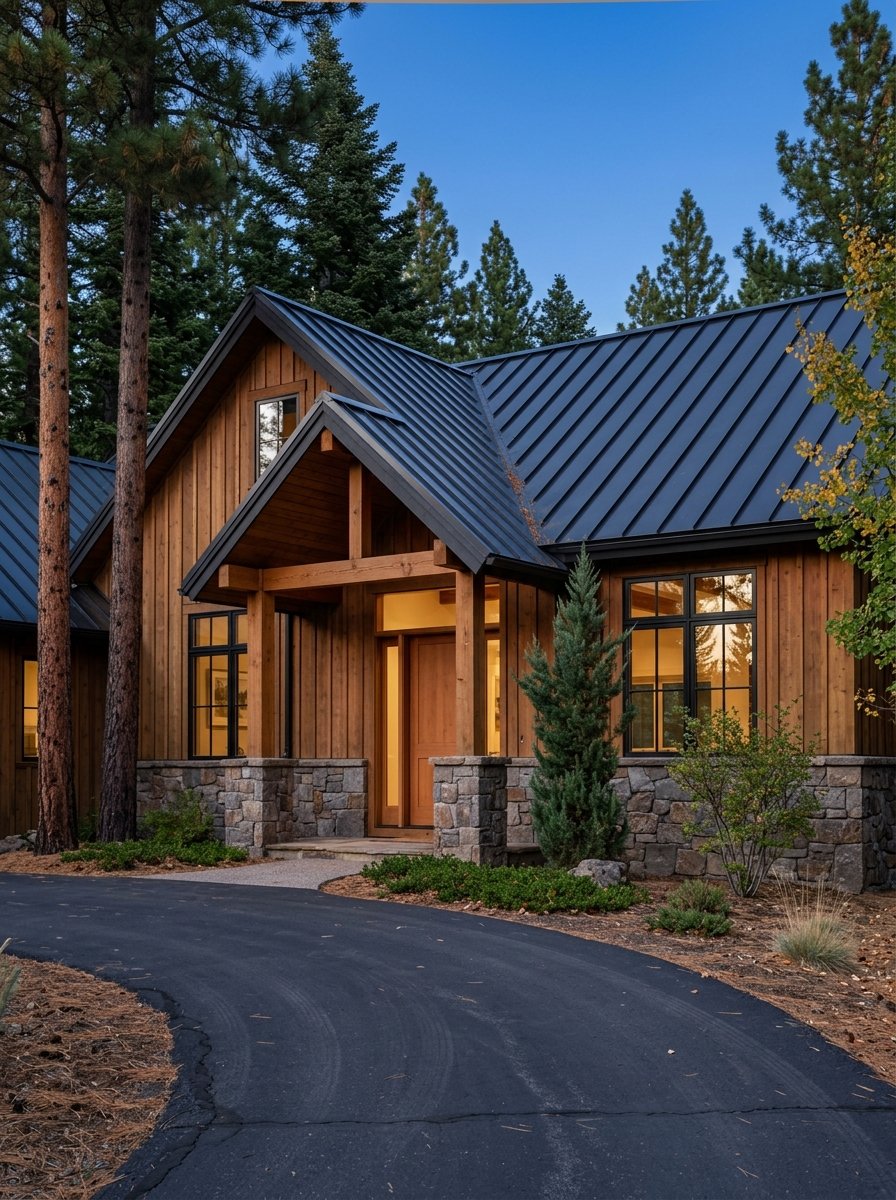
Wondering whether Indian Hills feels like a quiet mountain retreat or just a farther-out Denver suburb? The answer is simpler and more interesting than that. If you are considering a move here, you need a clear picture of daily life, from roads and recreation to water, wildfire readiness, and the kind of community you actually join. Let’s dive in.
Indian Hills Feels Like a Real Foothills Community
Indian Hills is a small, unincorporated Jefferson County foothills community about 23 miles southwest of Denver. Public data shows just how small it is, with the 2020 census counting 1,474 residents and 640 housing units, and more recent ACS profile data showing 986 residents, 423 households, and 481 housing units.
That scale shapes everything. Indian Hills does not read like a suburban town center with a long list of nearby conveniences. Instead, daily life is defined more by the land, the roads, and local community institutions than by shopping or dense commercial activity.
Jefferson County’s area plan also notes limited access to shopping and services, with most residents working in the metropolitan area. So if you picture life here well, you picture planning ahead, driving scenic roads, and relying on nearby foothills communities for many errands and services.
Community Life Is Small and Neighborly
One of the clearest signs of Indian Hills’ character is its volunteer spirit. The Indian Hills Improvement Association is not an HOA. It is a volunteer-run nonprofit that owns and maintains the Community Center, the community sign, and the community park.
That matters because it tells you how the community works. Instead of a master-planned feel, Indian Hills has a local, participatory rhythm built around shared places and recurring events.
The association hosts weekly pancake breakfasts, cleanups, chili and spaghetti dinners, a bar-b-q, holiday gatherings, and history nights. The Community Center itself began as a one-room schoolhouse in 1923 and later became a historic community building, which adds to the area’s sense of continuity and identity.
Homes Vary More Than You Might Expect
If you are looking for neat rows of similar homes, Indian Hills is not that market. The area began as a 1920s summer-home and resort community, and many of its early plats created very small lots, including some around 50 by 50 feet.
That history still shows up in the housing stock today. Jefferson County describes numerous small historic homes and eclectic mountain architecture, while newer development outside the area of stability is guided toward much larger parcel patterns, averaging 10 acres with no lot smaller than 5 acres.
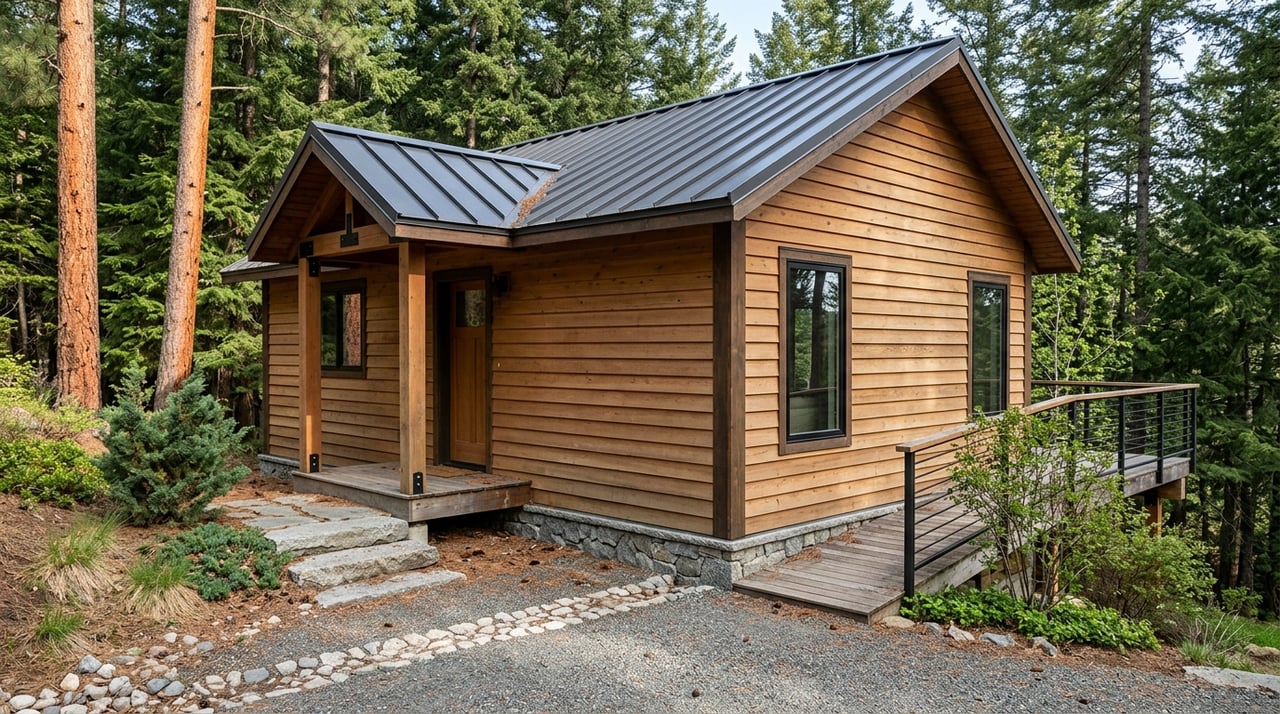
In practical terms, you may find older cabins, modest cottages, larger mountain homes, and acreage properties in the same broader community. That mix is part of Indian Hills’ appeal, but it also means each property deserves careful, parcel-specific review.
Pricing Reflects a Small, Higher-Value Market
Housing data also suggests that Indian Hills is not a low-cost entry-level mountain market. Census Reporter’s ACS 2024 5-year profile lists a median owner-occupied home value of about $789,200.
Because this is a very small market, that figure is better used as general context than as a pricing rule. Still, it reinforces an important point: Indian Hills is a niche foothills market where property type, setting, access, utilities, and land characteristics can matter as much as square footage.
For buyers and sellers alike, that usually means broad averages are less useful than property-specific analysis. In a community like this, details drive value.
Water and Septic Matter Early
In Indian Hills, utility due diligence is not an afterthought. It is one of the first things you should understand when evaluating a property.
Jefferson County Public Health states that for OWTS permit applications in the Indian Hills and Parmalee Gulch area, a bacteria and nitrate test from the well serving the property is required. If a property does not have a well and is served by the Indian Hills Water District, no water analysis is required for that purpose.
That tells you something important about mountain living here. Water source, septic or OWTS status, and maintenance responsibilities can vary from one property to the next.
The county also regulates septic systems through permitting, and the Indian Hills Water District provides customer guidance that includes conservation notices and service-line responsibility information. For you as a buyer, this means checking water and wastewater systems early, not after you are emotionally committed.
Roads and Winter Driving Are Part of Life
Road access is one of the biggest lifestyle differences between Indian Hills and more urban or suburban areas. Jefferson County’s area plan specifically describes limited road access and tight mountain roads.
That is not a flaw in the community. It is part of the setting. Indian Hills grew around older canyon and wagon-road routes, including the Denver and Turkey Creek Wagon Road and Parmalee Gulch Road, so the road network still feels terrain-driven rather than grid-based.
Jefferson County Road & Bridge District III serves Indian Hills and maintains county roads, including snow plowing and sanding on icy roads. There is even an Indian Hills shop, which reflects how central road maintenance is to everyday life here.
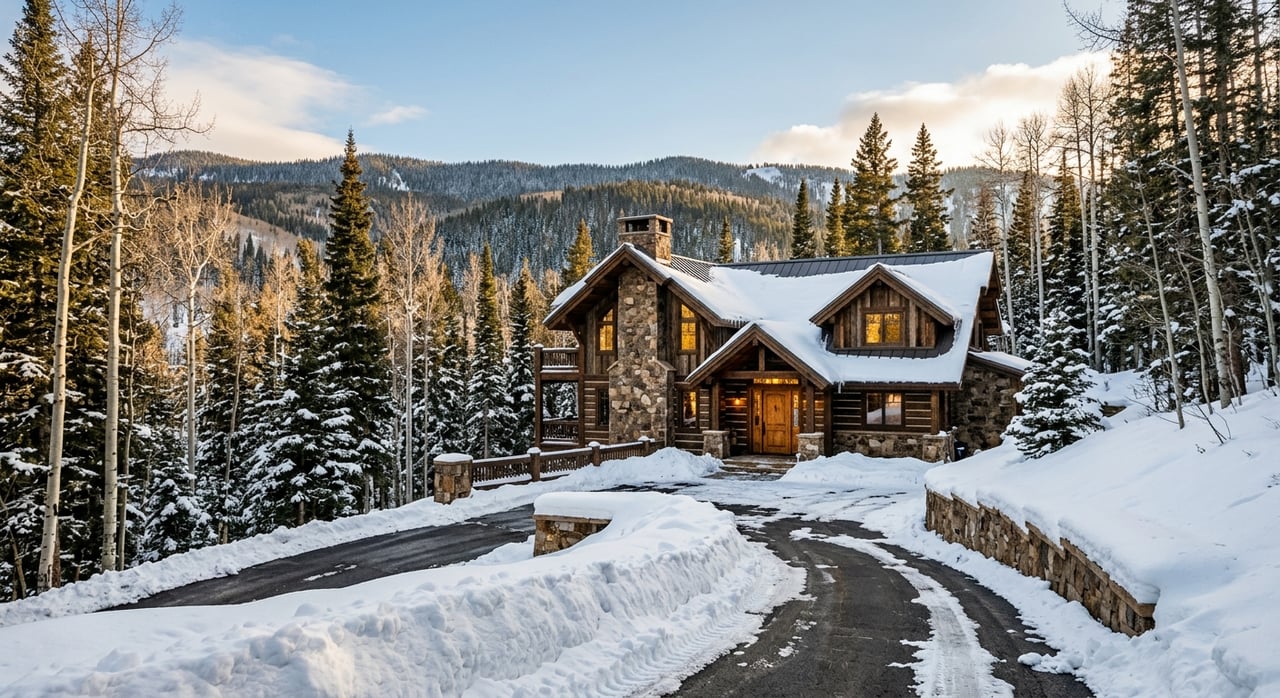
If you move to Indian Hills, winter driving will not be an occasional inconvenience. It will be part of your normal routine. For many residents, that tradeoff is well worth it for the scenery, privacy, and mountain setting.
Outdoor Access Is a Major Lifestyle Benefit
For many buyers, the lifestyle payoff starts outside the front door. Jefferson County Parks & Open Space manages more than 58,000 acres, over 275 trail miles, and 27 parks, and Indian Hills sits near some of the foothills’ best-known recreation areas.
Nearby parks include Lair o’ the Bear Park, Mount Falcon Park, Alderfer/Three Sisters Park near Evergreen, and Reynolds Park. These areas help define what free time can look like here, whether you enjoy hiking, biking, horseback riding, or simply being close to forested open space.
This is one reason Indian Hills appeals to people who want a mountain routine instead of a subdivision-amenity routine. The community fits naturally into a broader foothills landscape of canyons, trails, and connected mountain destinations.
Indian Hills Is Connected, But Not Suburban
One of the best ways to understand Indian Hills is to see it as part of the wider foothills corridor. Regional planning documents describe trail connections linking nearby parks and communities, including the Bear Creek corridor, Lair o’ the Bear, Mount Falcon, and areas stretching toward Conifer.
That means Indian Hills is not isolated in the way some out-of-the-way mountain locations can feel. But it also does not function like a suburban center with a concentrated business district, dense retail, or quick-stop convenience on every corner.
For the right buyer, that balance is exactly the point. You get mountain atmosphere and access to a larger foothills network, while keeping a quieter, more residential feel.
Wildfire Readiness Is Part of Ownership
Mountain living in Indian Hills comes with real responsibilities, and wildfire readiness is one of the biggest. Indian Hills Fire Rescue states that residents live in the wildland urban interface and face inherently higher wildfire risk.
The district offers free defensible-space and home-hardening evaluations, as well as a free roadside chipping program. It also publishes fire-restriction guidance that can limit activities such as campfires, fireworks, smoking, and open burning during county fire restrictions.
For homeowners, this means wildfire planning is not a rare project. It is part of regular property care. Fuel reduction, seasonal awareness, and ongoing maintenance are built into the lifestyle.
What Daily Life Really Feels Like
So what does mountain living in Indian Hills really feel like? It feels quiet, wooded, and local. It feels more connected to roads, weather, water, and land stewardship than to convenience retail.
It also feels communal in a very specific foothills way. You are not buying into a polished suburban package. You are stepping into a small community with history, volunteer energy, strong outdoor access, and property considerations that deserve thoughtful review.
That is exactly why so many buyers are drawn to it. If you want a place where scenery, space, and mountain identity shape your day-to-day life, Indian Hills offers a lifestyle that is distinct, grounded, and hard to replicate closer to the city.
If you are considering buying or selling in Indian Hills, working with an advisor who understands mountain roads, utilities, land issues, and foothills property nuance can make all the difference. For discreet, detail-driven guidance, reach out to Dawn Zalfa.
FAQs
What is Indian Hills, Colorado like for full-time living?
- Indian Hills feels like a small foothills community rather than a suburban town center, with daily life shaped by mountain roads, limited nearby services, local volunteerism, and close access to parks and trails.
What kinds of homes are in Indian Hills, Colorado?
- Indian Hills includes a mix of older cabins, smaller historic homes, eclectic mountain architecture, larger mountain residences, and some acreage properties, so the housing stock is not uniform.
What should buyers check about utilities in Indian Hills, Colorado?
- Buyers should confirm whether a property is served by a well or the Indian Hills Water District, review septic or OWTS status, and understand maintenance responsibilities early in the process.
How important are roads and winter access in Indian Hills, Colorado?
- Roads and winter driving are a major part of daily life in Indian Hills because the area has limited access, tight mountain roads, and regular snow and ice conditions that require county maintenance.
What outdoor recreation is near Indian Hills, Colorado?
- Indian Hills is close to Jefferson County open space and parks including Lair o’ the Bear, Mount Falcon, Alderfer/Three Sisters, and Reynolds Park, offering strong access to trails and mountain recreation.
How does wildfire readiness affect living in Indian Hills, Colorado?
- Wildfire readiness is a routine part of ownership because Indian Hills is in the wildland urban interface, and homeowners need to plan for defensible space, home hardening, seasonal restrictions, and ongoing maintenance.