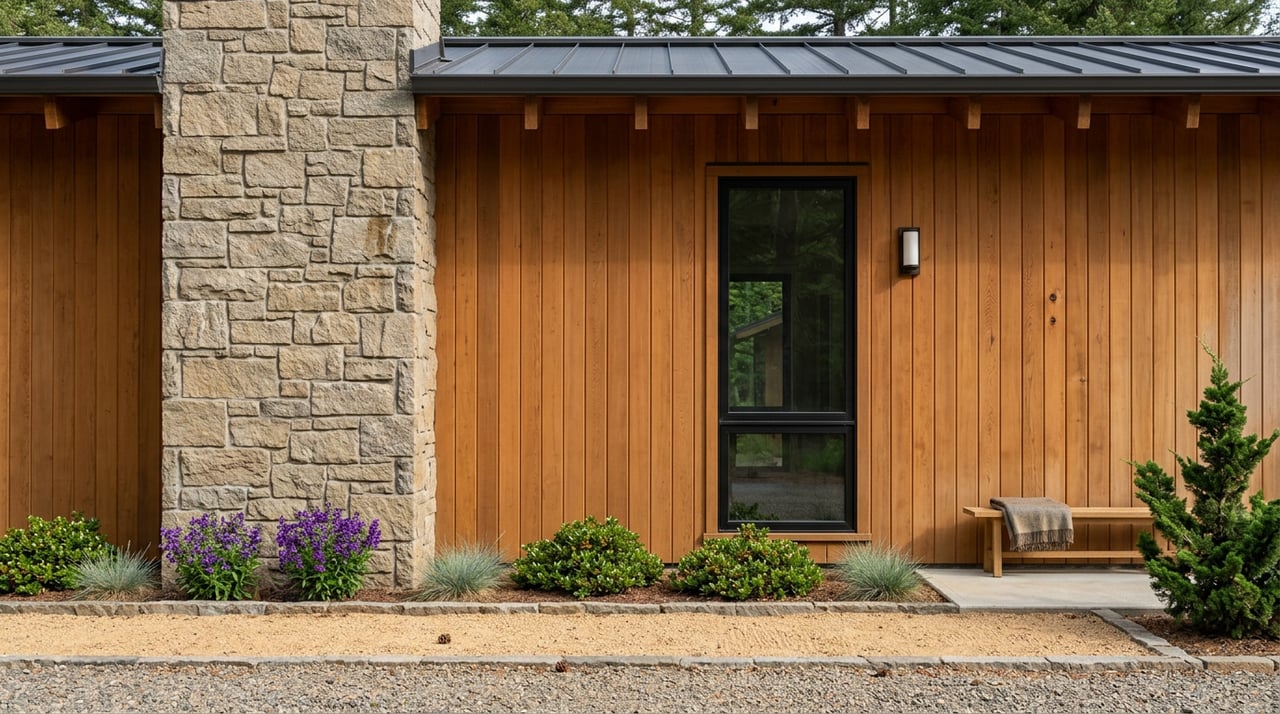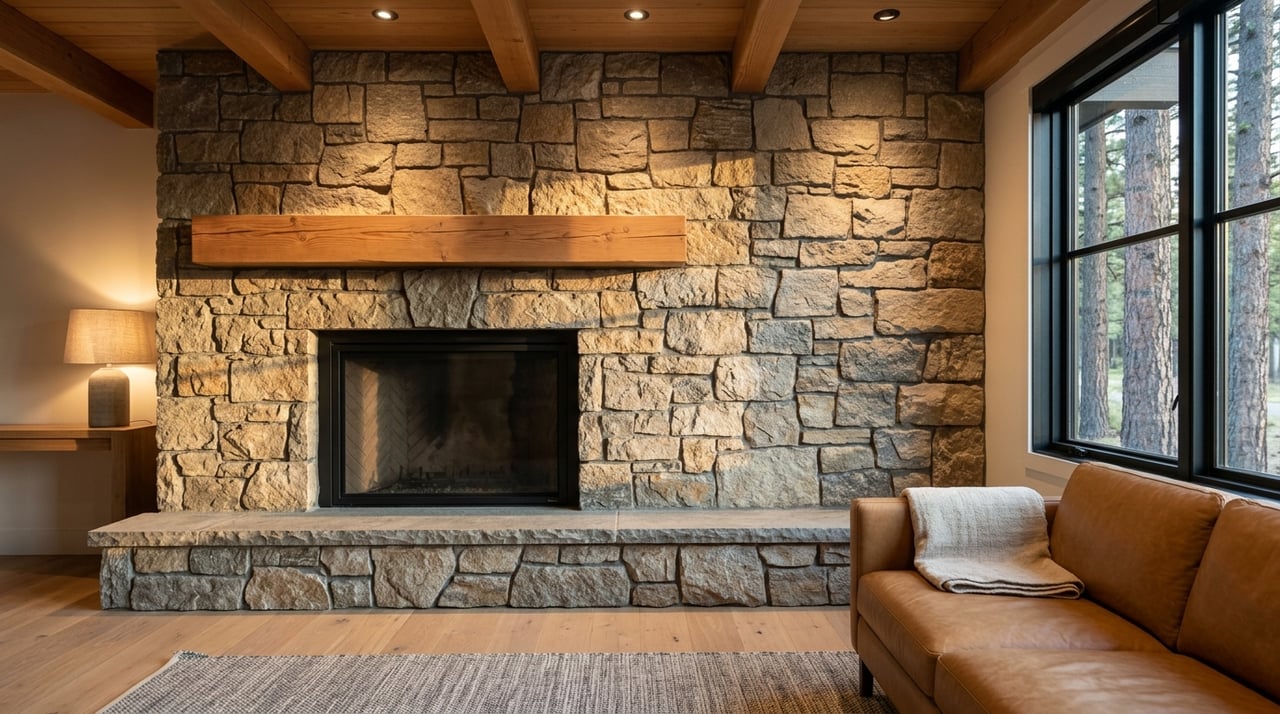
If you live in Denver, buying a foothills retreat can feel like stepping into a different real estate world. A home in Conifer, Evergreen, or Morrison may offer the privacy, scenery, and breathing room you want, but it can also come with different financing rules, different property systems, and a different due diligence checklist than a typical in-town purchase. The good news is that with the right plan, you can shop confidently, move quickly, and avoid surprises. Let’s dive in.
Why foothills purchases feel different
For Denver buyers, the first surprise is often that a foothills address does not always tell the full story. Jefferson County extends west into mountain areas and includes unincorporated communities such as Conifer and Evergreen, while Morrison is an incorporated town, which means local jurisdiction can affect the rules and services tied to a property. According to Jefferson County’s community overview, these communities sit within a broader mountain and foothills geography that functions differently from many urban neighborhoods.
That is why location verification matters early. The Town of Morrison notes on its address verification page that a postal city is not a reliable way to determine where a property is physically located. In practical terms, you should confirm the actual jurisdiction before you write an offer, not after.
Start with occupancy and financing
Before you tour too many homes, get clear on how the property will be classified by your lender. That question shapes your loan options, your documentation, and in some cases your pricing.
When a foothills home counts as a second home
If you plan to use the property for part of the year while keeping your Denver home, you may be looking at second-home financing. Fannie Mae states that a second home must be a one-unit dwelling, suitable for year-round occupancy, occupied by you for some portion of the year, and kept under your exclusive control. It also cannot be a timeshare, a management-company-controlled property, or a true rental property, according to Fannie Mae’s occupancy guidance.
That distinction matters because not every retreat-style property will qualify the same way. Fannie Mae also notes that rental income may exist on a second home, but it cannot be used to help you qualify if the loan is still being delivered as a second-home mortgage. It also applies loan-level price adjustments to certain second-home loans, which helps explain why the cost structure may differ from a primary-residence loan.
Why preapproval should come early
Once you know how you plan to use the property, get preapproved before you begin serious touring. The Consumer Financial Protection Bureau explains that a preapproval letter is not a guaranteed loan, but sellers often want to see one before accepting an offer. The CFPB also notes that preapproval letters commonly expire after 30 to 60 days, so timing matters when you start shopping in earnest. You can review that guidance on the CFPB’s preapproval resource.
If you want the strongest footing possible, compare more than one lender. The CFPB recommends asking at least three lenders for preapproval so you can compare Loan Estimates and negotiate. For Denver buyers targeting the foothills, that extra step can be especially helpful when occupancy type and property features may affect loan terms.
Be ready to act quickly
A foothills retreat can be a very specific purchase. When the right mix of setting, access, and condition shows up, you may not have much time to decide.
The December 2025 DMAR market report reported 1.78 months of inventory for detached homes across metro Denver at year-end. It also showed that the $1 million to $2 million segment had less than three months of inventory, while DMAR considers roughly four to six months of supply a balanced market. For many foothills buyers, that means preparation is not optional.
DMAR also noted that buyers were actively touring homes and eager to purchase the right one, while some segments were beginning to show room for concessions as inventory rose. The takeaway is simple: be decisive, but not rushed. You want your financing, touring plan, and due diligence strategy lined up before the right home appears.
Use remote touring to narrow the field
If you are balancing life in Denver with a search in the foothills, remote touring can save time. It is often the most practical way to sort through homes before you commit to driving out for an in-person visit.
A smart approach is to use video tours and listing materials to eliminate obvious mismatches first. Then, once a property clears your early screening, schedule a prompt in-person showing and prepare to evaluate the features that matter most in mountain and foothills homes. This workflow aligns well with DMAR’s current market commentary, which suggests buyers should be ready to move efficiently when the right property surfaces.
What to request before a tour or offer
Before you invest too much time in a property, ask for the key records that may shape your decision. In foothills transactions, those documents can reveal important details that are not obvious in photos.
Request items such as:
- Septic inspection or use-permit information
- Well information and any available water test results
- Roof details and maintenance history
- Chimney or fireplace records, if available
- Information on driveway access and conditions
- Any available wildfire mitigation work or property-hardening details
- Clear confirmation of the property’s physical jurisdiction
Focus on foothills due diligence
In Denver, buyers often focus heavily on price, condition, and location. In the foothills, those still matter, but systems and site conditions deserve equal attention.
Septic and wastewater systems
Jefferson County says that an on-site wastewater treatment system generally requires an inspection and a use permit before sale when the system was installed more than five years before the sale date. That makes septic review a core part of many foothills purchases, not an optional extra. You can review the county’s requirements on the Jefferson County use permit program page.
A septic issue does not always mean a deal should stop, but it should be understood clearly before closing. You will want to know the system’s condition, any inspection findings, and whether permitting requirements have been addressed.
Private wells and water testing
Water deserves the same level of attention. Jefferson County Public Health notes that homeowners with private wells are responsible for safe water and recommends annual testing. The county also notes that private wells can be affected by contaminants such as bacteria and nitrate.
That guidance matters because private wells are not regulated under the Safe Drinking Water Act, as noted by the Colorado Department of Public Health and Environment in the same county guidance context. In some Jefferson County permit settings, well-water testing may need to include total coliform, E. coli, and nitrate as nitrogen. If a property relies on a private well, make sure you understand what testing has been done and whether updated testing is needed.
Wildfire mitigation and home hardening
Wildfire risk is a real part of foothills ownership, so buyers should look at the home and site through that lens. The Colorado Division of Homeland Security and Emergency Management says homes in the wildland-urban interface face genuine wildfire danger and recommends a 30- to 100-foot safety zone around the home, with a 100-foot minimum for homes in pine forests. You can review those recommendations on the state’s wildfire information page.
The Colorado State Forest Service home-ignition checklist adds useful inspection points such as roof condition, debris in roofs and gutters, screened vents, and limiting combustible materials close to the structure. For buyers, that means you should pay attention not only to beauty and privacy, but also to defensible space and maintenance practices that may affect long-term ownership.
Roof, chimney, driveway, and access
Mountain and foothills homes often depend on systems and site conditions that city buyers can overlook. Roof age and condition matter more when a property faces snow, wind, and debris. Chimneys and fireplaces should be reviewed carefully when present, especially in homes built for seasonal or recreational use.
Driveways and access also deserve close attention. A beautiful setting can feel very different once you factor in steep grades, seasonal weather, and maintenance demands. Even if a home checks every aesthetic box, practical access should still be part of your decision.
Verify jurisdiction before you close
One of the easiest mistakes in a foothills purchase is assuming a mailing address tells you which local government has authority over the property. It may not.
That is especially relevant around Morrison. The town’s official guidance makes clear that municipal status determines which organization handles services, and that a postal city is not a reliable indicator of physical jurisdiction. If you are considering a home marketed as being in Morrison, take the extra step to verify whether it is actually within the town or in unincorporated Jefferson County.
A practical buying strategy for Denver buyers
When you put all of this together, the best path is usually a structured one. You do not need to overcomplicate the search, but you do need to respect the details.
A strong purchase strategy often looks like this:
- Decide whether the property will be a primary residence, second home, or investment purchase.
- Get preapproved with enough lead time that your letter stays current.
- Compare at least three lenders so you can evaluate terms and fees.
- Use remote touring to narrow your options quickly.
- Request property records before getting too far down the road.
- Confirm jurisdiction, especially if the address references Morrison or another nearby postal city.
- Move quickly when the right fit appears, while keeping inspections and due diligence front and center.
For many buyers, the challenge is not finding a beautiful home. It is finding the right beautiful home, with the right structure, the right systems, and the right level of risk for your goals.
Why local guidance matters in the foothills
Foothills real estate rewards preparation. It also rewards local knowledge, because two homes that seem similar online can differ in meaningful ways once you look at access, water, wastewater systems, wildfire mitigation, and jurisdiction.
If you are thinking about buying a retreat in Conifer, Evergreen, Morrison, or another nearby foothills community, working with a specialist who understands contract details and mountain-property due diligence can help you move faster and with more confidence. When you are ready to explore your options, connect with Dawn Zalfa for a thoughtful, high-touch approach to foothills and mountain home buying.
FAQs
How can a Denver buyer tell if a foothills property is a second home or an investment property?
- Fannie Mae says a second home must be a one-unit property that you occupy for part of the year, that is suitable for year-round use, under your exclusive control, and not a true rental or management-company-controlled property.
How quickly should a Denver buyer act on a foothills retreat?
- Current DMAR data shows relatively tight inventory in metro Denver, including less than three months of inventory in the $1 million to $2 million segment, so you should be prepared to act quickly once a home meets your criteria.
What inspections matter most for a foothills home near Denver?
- Key areas often include septic or on-site wastewater systems, private well testing, roof condition, chimney or fireplace review, wildfire mitigation features, and driveway or access conditions.
How can a buyer verify whether a property is in Morrison or unincorporated Jefferson County?
- The Town of Morrison states that a postal city is not a reliable way to determine physical jurisdiction, so you should verify the address through the town or county before closing.
What should a Denver buyer request before a remote tour or foothills offer?
- Ask for available septic records, well information and water tests, roof and chimney details, wildfire mitigation information, driveway or access details, and confirmation of the property’s actual jurisdiction.