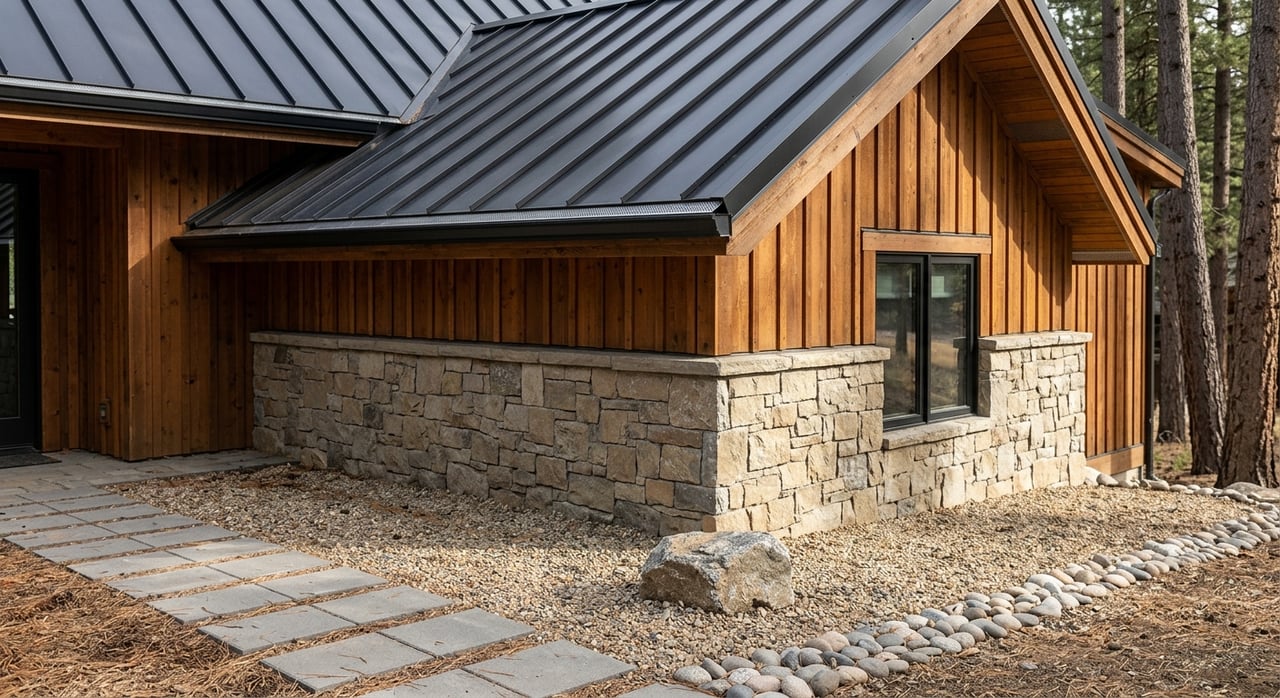
Selling a home in Conifer means marketing more than square footage and views. In the foothills, buyers, insurers, and appraisers often look closely at wildfire readiness because access, vegetation, and exterior hardening can affect how a property is evaluated. If you are planning to sell, the right mitigation steps can help you present your home as better prepared, better documented, and easier to assess. Let’s dive in.
Why wildfire mitigation matters in Conifer
Conifer sits in a part of Jefferson County where wildfire risk is a real planning factor. According to the county’s Wildfire Commission information, more than two-thirds of Jefferson County falls within a Wildfire Hazard Overlay District, and Conifer is among the higher-risk areas.
That local context shapes how your property may be viewed during a sale. The Conifer-285 Corridor Area Plan notes practical issues such as long response times, limited water and equipment, difficult topography, private driveways, and limited access roads. For you as a seller, that means wildfire preparation is not just cosmetic yard work. It is part of reducing risk and improving transaction readiness.
Jefferson County is also updating defensible-space and structure-hardening standards to align with the 2025 Colorado Wildfire Resiliency Code. At the same time, the county explains in its regulation updates that existing homes are generally not required to update to current code unless new work like an addition or remodel triggers those requirements. That can be helpful if you want to focus on targeted pre-listing improvements instead of a full retrofit.
Start with the home ignition zone
If you want the most practical place to begin, start closest to the house. The Colorado State Forest Service, or CSFS, breaks the home ignition zone into three areas: 0 to 5 feet, 5 to 30 feet, and 30 to 100 feet from the structure, as outlined in its wildfire mitigation guidance.
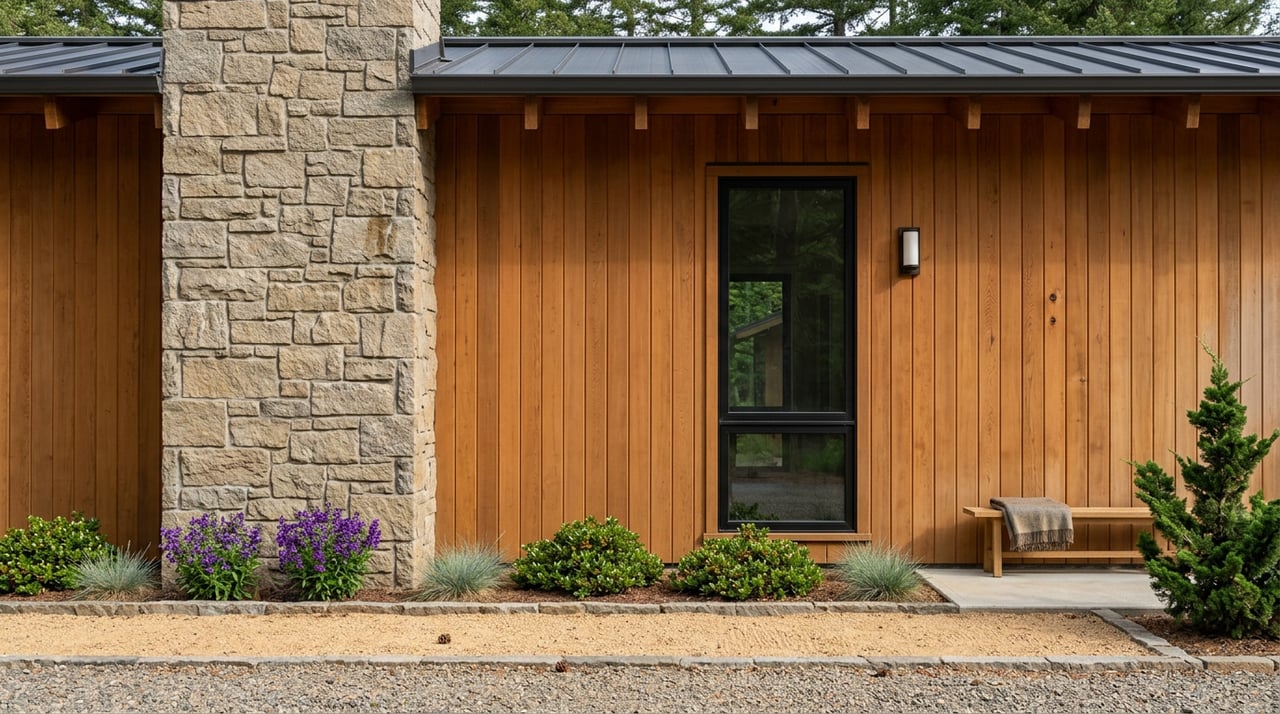
The 0 to 5 foot zone is often the highest-value seller project because it directly addresses ember exposure. CSFS recommends removing flammable vegetation and debris, keeping this area noncombustible, and preventing needles, mulch, or slash from building up immediately around the house.
In the 5 to 30 foot zone, fuel reduction becomes the goal. CSFS recommends trimming grass to 4 inches or less and reducing vegetation so fire has less to carry.
In the 30 to 100 foot zone, the focus shifts to managing ladder fuels and tree spacing. The idea is to make it harder for fire to move from the ground into tree canopies and then spread toward the home.
Prioritize exterior hardening buyers can verify
Some mitigation projects are easier for buyers and underwriters to see and understand than others. Roof and exterior details often matter because they are directly tied to ember resistance and structural ignitability.
CSFS and the Insurance Institute for Business & Home Safety emphasize several practical items in the CSFS home ignition zone checklists. These include a Class A fire-rated roof, clean roofs and gutters, ember-resistant vents, 1/8-inch metal mesh screening at vents and under-deck areas, and a 6-inch noncombustible clearance at the base of walls.
IBHS also highlights enclosure of vulnerable openings and a noncombustible 0 to 5 foot zone as central strategies in its Wildfire Prepared Home program. For a seller, this matters because these improvements are easier to document than broad claims about a property being “fire safe.”
Improve access and address visibility
In Conifer, access can be just as important as vegetation management. Emergency response depends on whether vehicles can reach the house safely and identify it quickly.
Jefferson County explains in its access and roadway materials that access may be satisfied through a deeded right-of-way, recorded ingress-egress easement, or private road of record with a minimum width of 20 feet. The county also notes that driveways over 50 feet in length must meet the roadway design manual, and some situations require a fire-district advisory statement for private roads not located on the property.
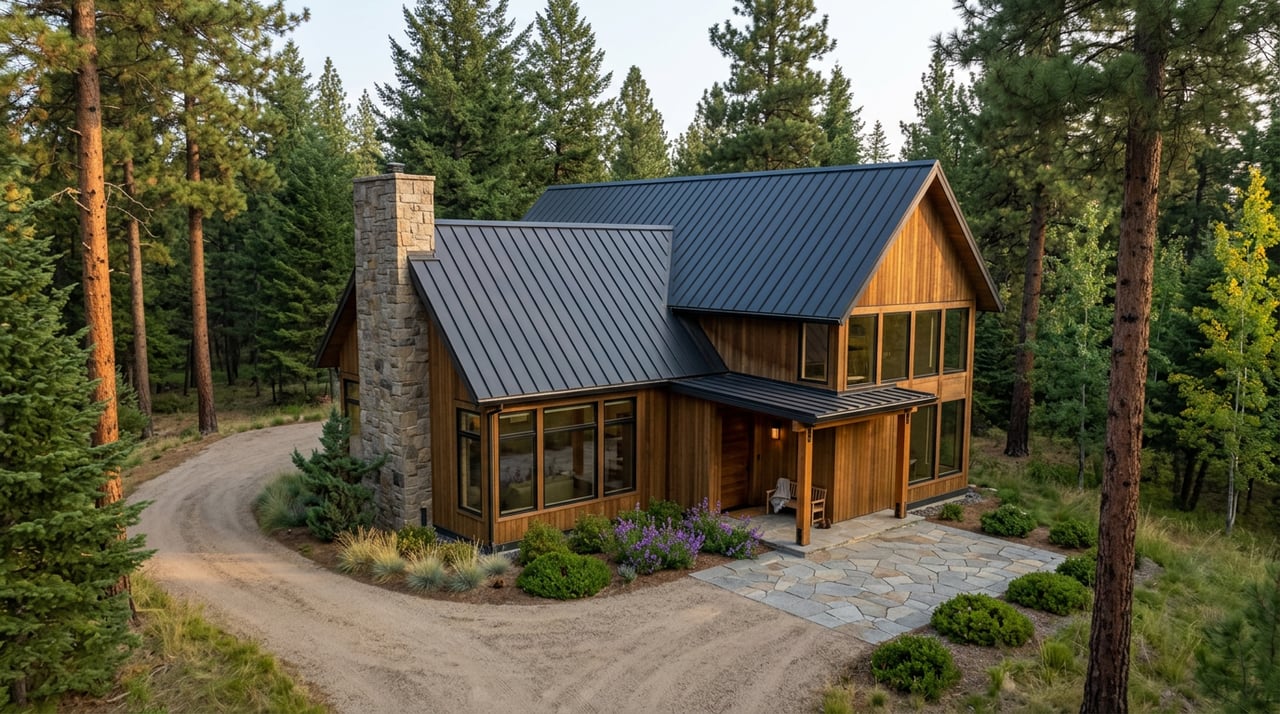
CSFS also recommends keeping trees at least 30 feet back from each side of the driveway, maintaining branch clearance, and posting a noncombustible reflective address sign at the driveway entrance. These details may sound small, but they can affect first impressions and practical usability during inspections or site visits.
Keep slash removal and maintenance visible
A one-time cleanup does not carry the same weight as signs of consistent upkeep. In a mountain market, buyers often notice whether a property looks actively maintained.
Jefferson County’s SLASH program background explains that mountain-area slash sites, including a Conifer-area option, help residents dispose of woody debris created while building defensible space. CSFS also recommends chipping, hauling, or otherwise properly disposing of slash and keeping piles well away from the house.
For sellers, visible maintenance helps support the idea that mitigation is current, not outdated. A cleaned-up property with fresh pine needle removal, trimmed grasses, and properly handled slash often reads as more market-ready than one with older, unfinished thinning work.
Focus on the most useful pre-listing order
If you are deciding where to spend time and money before listing, it helps to work in a practical order. Based on the research sources, the most useful sequence is the one most closely tied to ignitability, access, and verification.
A smart seller priority list looks like this:
- Clean and harden the 0 to 5 foot zone
- Address roof, vent, and exterior vulnerabilities
- Improve driveway clearance, access, and address signage
- Organize inspections, permits, invoices, and photos
- Complete slash removal and ongoing maintenance
- Consider broader thinning or landscape work if needed
This approach can help you avoid over-improving in places that are harder to verify while still addressing the items most likely to come up during buyer due diligence.
Documentation can reduce transaction friction
In higher-risk foothill markets, mitigation work is often most useful when you can prove it. Documentation matters because insurers, buyers, appraisers, and county reviewers may all look at the property from slightly different angles.
CSFS notes in its wildfire homeowner guide that many insurers expect homeowners to actively reduce wildfire risk. The same guidance explains that underwriting may consider construction type, roofing, windows, siding, slope, access for emergency vehicles, distance to hydrants and fire stations, and response times. Colorado also has a FAIR Plan as coverage of last resort when traditional property insurance is unavailable, which underscores why preparedness can matter in foothill areas.
IBHS adds that its certificate-based evaluation process can provide third-party documentation. Even if you do not pursue a formal designation, before-and-after photos, contractor invoices, permit paperwork, and inspection records can all strengthen your file.
Wildfire work may also matter in appraisal review
Wildfire mitigation does not guarantee a higher sale price or lower insurance premium. But it can help reduce questions about marketability when a property is being reviewed.
Fannie Mae states in its site section appraisal guidance that appraisers must identify primary access, consider whether a site has adequate vehicular access, and address adverse conditions that affect value or marketability. The guidance also notes that site characteristics, easements, encroachments, and environmental conditions may affect how a property is viewed.
That makes visible, documented mitigation more valuable than vague assurances. If your home has clear driveway access, maintained defensible space, and an organized file showing completed work, you give buyers and their lenders more information to work with.
Use local resources before you list
You do not have to figure this out alone. Several local and state resources can help you assess what is worth doing before your home hits the market.
A CSFS homesite assessment can bring a forester to the property to review trees, defensible space, and overall homesite conditions. Jefferson County also offers a defensible space permit process for applicable mountain properties, and if your recent work was permit-driven, keep your approved forester inspection and final signoff with your listing documents.
If you completed qualifying mitigation work, the Colorado Department of Revenue says in its wildfire tax benefits guidance that receipts are required for tax claims. Even if you are not using a tax credit, those same receipts can support your disclosure package and show buyers the work was completed professionally.
Questions buyers may ask
Well-prepared sellers are often the ones who can answer buyer questions quickly and clearly. In Conifer, expect questions that go beyond finishes and floor plans.
Common buyer and underwriting questions include:
- Is the roof Class A fire-rated?
- Are gutters, vents, eaves, and under-deck areas protected?
- Is there a maintained 0 to 5 foot noncombustible zone around the home and deck?
- Can emergency vehicles reach the home safely?
- Is the driveway clear, wide enough, and easy to identify?
- Do you have receipts, photos, permits, inspections, or certificates for the work completed?
When you can answer those questions with documentation instead of estimates or memory, the transaction often feels more organized and credible.
A smarter way to position your Conifer home
In Conifer, wildfire mitigation is best viewed as a risk-management package, not a promise of a specific pricing outcome. The goal is to reduce friction, support insurability, improve how the property presents during due diligence, and make your home easier for buyers to understand.
That kind of preparation fits mountain property sales especially well, where access, topography, vegetation, and site conditions often matter as much as the home itself. If you want a listing strategy that pairs market positioning with practical pre-listing guidance, Dawn Zalfa can help you prepare your property with the care, discretion, and local insight that Conifer homes deserve.
FAQs
What wildfire mitigation steps matter most for Conifer home sellers?
- The most important early steps are usually creating a noncombustible 0 to 5 foot zone around the home, addressing roof and vent vulnerabilities, improving driveway access and address visibility, and keeping records of all completed work.
Does a Conifer seller need to fully update an older home to current wildfire code?
- Not necessarily. Jefferson County says existing homes generally are not required to update to current code unless new work like a remodel or addition triggers those requirements.
Why does wildfire mitigation documentation matter when selling a Conifer home?
- Documentation such as photos, invoices, permits, and inspection records can help buyers, insurers, and appraisers verify the work and better understand the property’s condition.
Can wildfire mitigation help with Conifer home insurance?
- It may help improve how a property is evaluated because insurers can consider factors such as roofing, construction details, slope, access, and response conditions, but it does not guarantee coverage or a lower premium.
What local resources can Conifer homeowners use before listing?
- Sellers can consider a CSFS homesite assessment, applicable Jefferson County defensible space permit resources, slash disposal options through county programs, and third-party documentation programs such as IBHS Wildfire Prepared Home.